The Berlin Wall Is Built

On August 13, 1961, Berlin woke up to a shock: the East German Army had begun construction on the infamous Berlin Wall. The Wall was initially constructed in the middle of Berlin, and expanded over the following months. It entirely cut off West Berlin from the surrounding East Germany, prohibiting East Germans to pass into West Germany.

The Eastern Bloc claimed that the wall was erected to protect its population from fascist elements conspiring to prevent the “will of the people” in building a socialist state in East Germany. In practice, the Wall served to prevent the massive emigration and defection that marked East Germany and the communist Eastern Bloc during the post-World War II period. The Berlin Wall came to symbolize the “Iron Curtain” that separated Western Europe and the Eastern Bloc during the Cold War.


Browse Berghahn relevant titles on History of divided Germany:
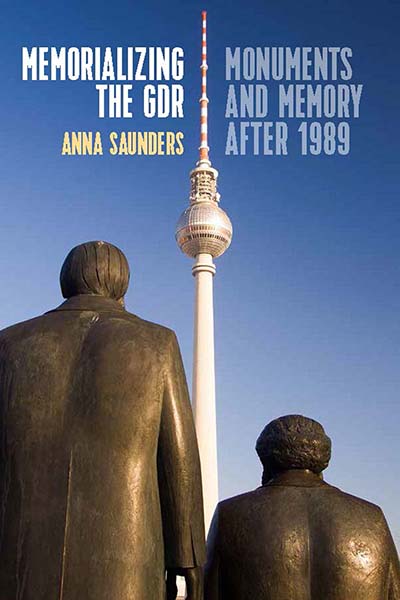
Memorializing the GDR: Monuments and Memory after 1989MEMORIALIZING THE GDR
Monuments and Memory after 1989
Anna Saunders
Continue reading “The Berlin Wall Is Built”

Has Germany’s turn away from nuclear power been a mistake?

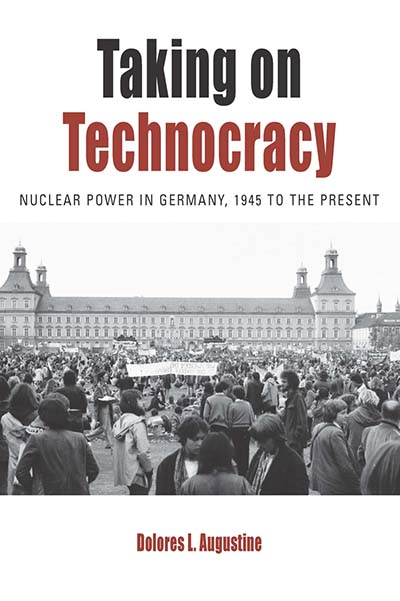
Taking on Technocracy: Nuclear Power in Germany, 1945 to the Present By Dolores L. Augustine, author of Taking on Technocracy: Nuclear Power in Germany, 1945 to the Present.


Energy policy has recently gained a good deal of public attention. “Germany, as far as I’m concerned, is captive to Russia because it’s getting so much of its energy from Russia,” President Trump argued at the NATO summit on July 11, 2018. Let’s set aside the faulty data underlying this argument and Trump’s own friendly policies towards Russia and turn instead to a more fundamental question: How wise have German energy policies been? Germany has taken a very different path from that of the United States, deciding in 2011 to abandon nuclear power by 2022. However, Germany has also committed itself to reducing use of fossil fuels. Has this placed German policymakers in a bind? Would life have been easier for Germany if it had not turned away from nuclear power? To understand the present-day situation, we must first look at its historical roots.

Why did Germany turn away from nuclear power? Continue reading “Has Germany’s turn away from nuclear power been a mistake?”

Berghahn Books is attending the GSA 2017 conference

GermanStudiesCatalogueCover ImageWe are delighted to inform you that we will be attending the annual German Studies Association conference in Atlanta, Georgia, on October 5th-8th, 2017. Please stop by our stand to browse our latest selection of books at discounted prices & pick up some free journal samples.


We are happy to invite you to join Berghahn on Friday October 6th at 5pm in the exhibit hall a rea for a wine reception to be held at Berghahn stand to celebrate the publication of EASTERN EUROPE UNMAPPED edited by Irene Kacandes and Yuliya Komskasome.


We are also excited to invite you to another wine reception Berghahn is hosting along with German Studies Association on Saturday, October 7th at 5pm, also at the Berghahn stand, to mark the publication of MODERN GERMANY IN TRANSATLANTIC PERSPECTIVE, edited by Michael Meng and Adam R. Seipp, in honor of Konrad H. Jarausch, a former GSA President and highly respected scholar in German Studies.


If you are unable to attend the conference, we would like to provide you with a special discount offer. Receive a 25% discount on all German Studies titles found on our website, valid through November 8th, 2017. At checkout, simply enter the discount code GSA17. Browse our new 2017-18 German Studies Catalog online or visit our website­ for a complete listing of all published and forthcoming titles.


Continue reading “Berghahn Books is attending the GSA 2017 conference”

Visit Berghahn Booth at GSA 2016 conference

gsa_program_2016


We are delighted to inform you that we will be attending fortieth annual German Studies Association conference in San Diego, CA on Sept. 29-Oct. 2, 2016. Please stop by our stand to browse our latest selection of books at discounted prices & pick up some free journal samples.

We are especially happy to invite you to join Berghahn on Friday September 30th at 5:30pm in the exhibit hall for a wine reception to be held at Berghahn booth to celebrate some of our newly published titles. We hope to see you there!

If you are unable to attend, we would like to provide you with a special discount offer. For the next 30 days, receive a 25% discount on all German Studies titles found on our website. At checkout, simply enter the discount code GSA16. Browse our new 2016-17 German Studies Catalog online or visit our website­ for a complete listing of all published and forthcoming titles.

Continue reading “Visit Berghahn Booth at GSA 2016 conference”

Visit the Berghahn Books Stand at Historikertag 2016


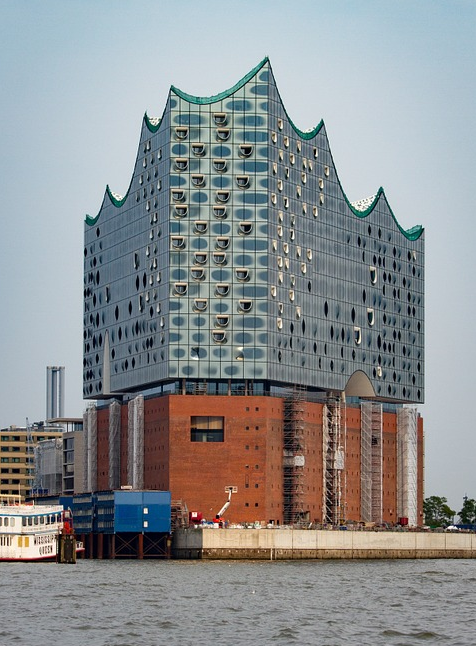
Elbe Philharmonic Hall, Hamburg, ArchitectureWe are pleased to inform you that we will be attending the 51st Historikertag in Hamburg, Germany from 20th-23rd September, 2016. Please stop by our stand, HOF15,  to browse our latest selection of titles at discounted prices and pick up some free journal samples.

If you are unable to attend, we would like to provide you with a special discount offer. For the next 30 days, receive a 25% discount on all History titles found on our website. At checkout, simply enter the code HTAG16.

To browse our latest History titles, please see our 2016 History Catalogue or visit our website for a complete listing of all published and forthcoming titles.

Below is a preview of some of our newest releases on display.

Continue reading “Visit the Berghahn Books Stand at Historikertag 2016”

The Fall of the Berlin Wall

The Berlin Wall was both the physical division between West Berlin and East Germany from 1961 to 1989 and the symbolic boundary between democracy and Communism during the Cold War.

The Berlin Wall was erected in the dead of night and for 28 years kept East Germans from fleeing to the West. The fall of the Berlin Wall happened nearly as suddenly as its rise. On the evening of November 9, 1989, an announcement made by East German government official Günter Schabowski stated, “Permanent relocations can be done through all border checkpoints between the GDR (East Germany) into the FRG (West Germany) or West Berlin.” Crowds of euphoric East Germans crossed and climbed on to the wall in celebration. Soon the wall was gone and Berlin was united for the first time since 1945. “Only today,” one Berliner spray-painted on a piece of the wall, “is the war really over.”

———————————————————————————————————

Browse Berghahn relevant titles:


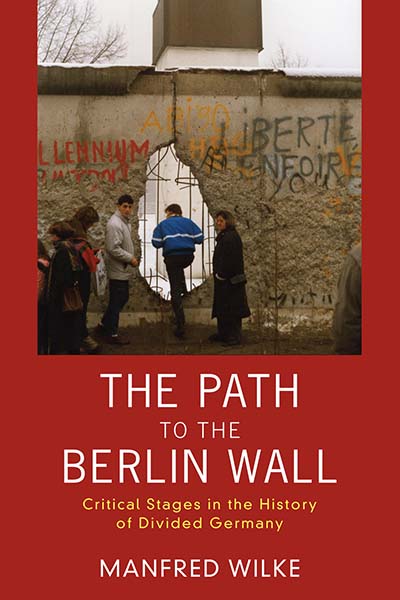
THE PATH TO THE BERLIN WALL
Critical Stages in the History of Divided Germany
Manfred Wilke
Translated from the German by Sophie Perl

“…constitutes a superlative model of combining biography with the study of nationalism. The latter constitutes the most novel contribution of this well-researched, straightforward historical depiction of Kohl’s ideology and its impact upon the continuing development of German national identity… Recommended” · Choice

Continue reading “The Fall of the Berlin Wall”

Hot Off the Presses – New Journal Issues Published in September & October


Anthropology in Action: Journal for Applied Anthropology in Policy and Practice
Volume 22, Number 2
This issue features articles focusing on issues related to the Research Excellence Framework, the impact agenda, and debates surrounding open access. On December 18 2014, the results of the U.K.’s Research Excellence Framework (REF) evaluation exercise were released. This was made more complex by the fact that for the first time, 20% of the overall scoring of a unit of assessment was attributed to research ‘impact’. This issue of Anthropology in Action is dedicated to exploring issues raised by these events.


Continue reading “Hot Off the Presses – New Journal Issues Published in September & October”

Berghahn Books at the GSA 2015 Conference!

We are delighted to inform you that we will be attending the annual German Studies Association conference in Washington D.C., on October 1-4, 2015. Please stop by our stand to browse our latest selection of books at discounted prices & pick up some free journal samples. If you are unable to attend, we would like to provide you with a special discount offer. For the next 30 days, receive a 25% discount on all German Studies titles found on our website. At checkout, simply enter the discount code GSA15.

We hope to see you in Washington D.C.!

_________________________________________________________________________

Here is a preview of some of our newest releases on display:

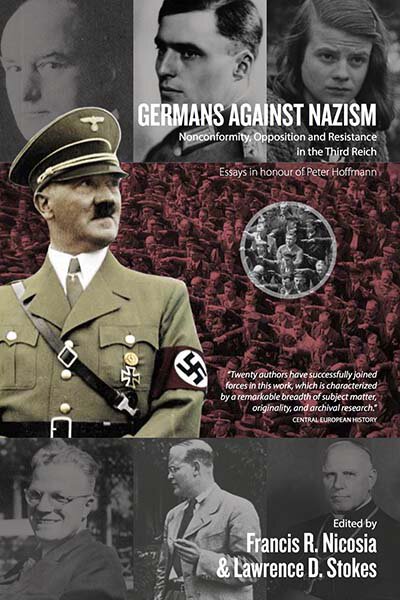
GERMANS AGAINST NAZISM
Nonconformity, Opposition and Resistance in the Third Reich: Essays in Honour of Peter Hoffmann
Edited by Francis R. Nicosia and Lawrence D. Stokes†
New and Revised Paperback Edition

Continue reading “Berghahn Books at the GSA 2015 Conference!”

Simulated Shelves: Browse June 2015 New Books

We’re delighted to offer a selection of latest releases from our core subjects of Anthropology, Cultural Studies, Genocide Studies, History, Medical Anthropology, Museum Studies, Social Anthropology, Sociology, and Urban Studies, along with a selection of our New in Paperback titles.

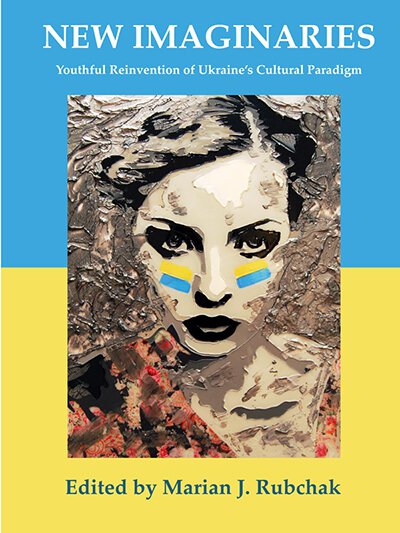
We are especially excited to announce the publication of New Imaginaries, edited and translated by Marian J. Rubchak.

“Instead of pointing out how ‘different’ Ukrainian feminism/gender studies/women’s studies is from ‘Western’ (or other) feminisms, this volume has potential to contribute to our understanding of the exciting and complex ways that feminist thought travels as one of the most important ‘ideascapes’ (à la Appadurai) of our time.” · Sarah D. Phillips, Indiana University

———————————————————————————————————————————–

NEW IMAGINARIES
Youthful Reinvention of Ukraine’s Cultural Paradigm
Edited and Translated by Marian J. Rubchak
Foreword Martha Kichorowska Kebalo

Continue reading “Simulated Shelves: Browse June 2015 New Books”

International Holocaust Remembrance Day

International Holocaust Remembrance Day, established by the United Nations General Assembly, is an international memorial day on 27 January commemorating the victims of the Holocaust. It commemorates the genocide that resulted in the death of an estimated 6 million Jews, 1 million Gypsies, 250,000 mentally and physically disabled people, and 9,000 homosexual men by the Nazi regime and its collaborators.


January 27th, 2015 also marks the 70th anniversary of the liberation of the Nazis’ most notorious concentration camp, Auschwitz, also known as Auschwitz-Birkenau. Most of about 1.1 million people that passed through the gates between 1940 and 1945 never left, many of them murdered in the camp’s gas chambers. Only some 200,000 are believed to have survived that fate. No one knows how many of the survivors remain alive today, but it’s a group that is dwindling as age takes its toll. To mark the liberation’s anniversary, about 300 former Auschwitz prisoners are travelling to Oświęcim, Poland, to pay tribute on Jan. 27 at Birkenau’s Gate of Death, the unloading ramp at the camp’s rail entrance.

———————————————————————————————————————————–

In honor of the UN’s Holocaust Remembrance Day, Berghahn has made several relevant journal articles freely available through a special virtual issue. You may access the issue through this link: bit.ly/Holocaust-Remembrance-Day

———————————————————————————————————————————–

Berhahn Books would also like to present a selection of relevant titles on the history of the Holocaust and Genocide Studies.


JEWISH HISTORIES OF THE HOLOCAUST
New Transnational Approaches
Edited by Norman J. W. Goda

Continue reading “International Holocaust Remembrance Day”