Join our Email List




In January 2012, a white man was cast for the part of an African American man in “I’m Not Rappaport” for the German adaptation of the U.S. play. The plan to use blackface makeup—common in American theater up until the Civil Rights movement—to change the man’s appearance stirred controversy, and was called out as racist. Co-editor of Germany and the Black Diaspora: Points of Contact, 1250-1914, Martin Klimke addresses the sensitive subject of race in Germany in light of this event.
_________________________________________
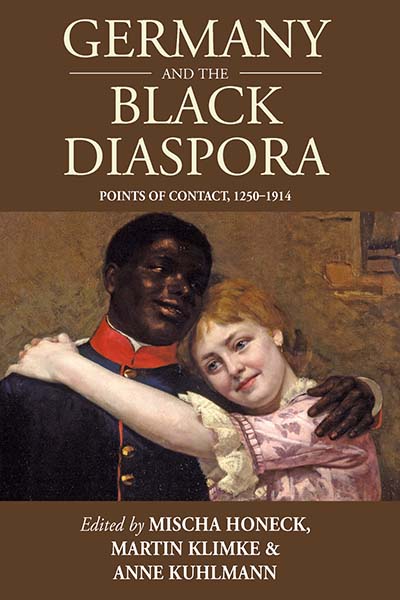
Germany’s place in the Black Atlantic might have been peripheral in a geographical sense. Intellectually and discursively, however, it played an often underestimated but significant role in the formation of modern social, racial, and national identities.
Continue reading “Blackface in Berlin Play: Racism or Tradition?”

 A rewarding part of this project involved writing three cases studies which focus on preserving a scenic gorge, landscaping a canalized river, and restoring “wild” nature to a managed forest. Taken together, these stories capture important shifts in West German efforts to restore varying degrees of naturalness in their intensively used landscapes. Research took me to the Black Forest, the Mosel Valley, and the Bavarian Forest, and to the homes and offices of dedicated conservationists. Whether perusing Black Forest Society records in the basement of a retired forester or reviewing hundreds of postcards protesting the Mosel Canal in the Foreign Office archives, I was struck by the daunting challenge conservationists faced in promoting sustainable uses of nature when more powerful groups favored exploiting it and when legal and administrative support systems for conservation remained weak.