Visit Berghahn Books at EASA 2018!

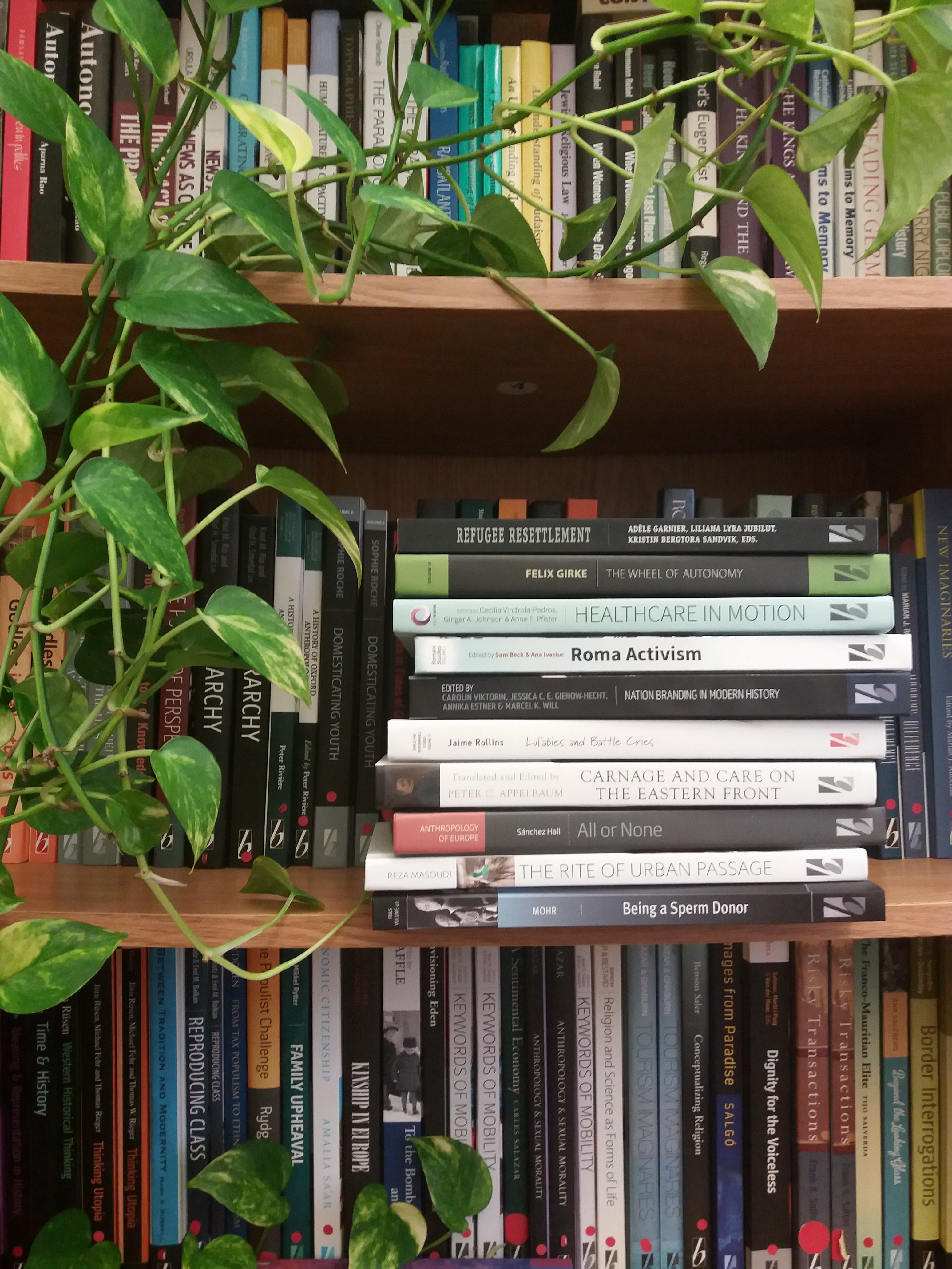
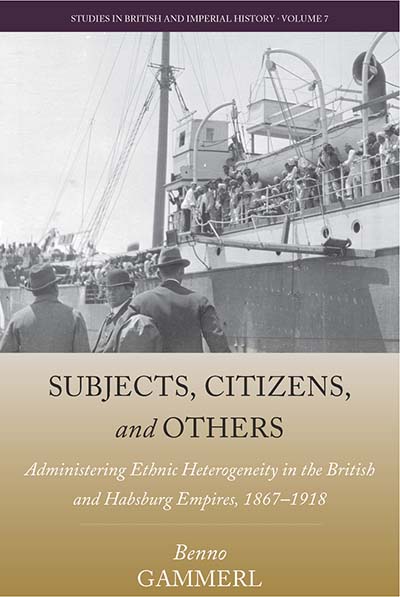
EASA LogoWe are delighted to inform you that we will be present at the 15th EASA Biennial Conference at Stockholm University, Sweden, August 14-17, 2018. Please stop by our table to browse the latest selection of books at discounted prices & pick up some free journal samples.

Come along to our stand at 16.30 on Thursday 16th for our traditional Berghahn Books reception with wine and nibbles! We will be celebrating a number of newly published titles!

If you are unable to attend the conference, we would like to provide you with a special discount offer. For the next 30 days, receive a 25% discount on all titles listed below. At checkout, simply enter the discount code EASA18.


We are also offering free access to the entire Berghahn Journals Anthropology Collection for the month of August. Scroll down to Journals section for details.

We hope to see you in Stockholm! Continue reading “Visit Berghahn Books at EASA 2018!”

Celebrate EASA 2018 with Berghahn Journals!


Berghahn Journals will be present at European Association of Social Anthropologists (EASA) 2018: Staying, Moving, Settling! To celebrate, we are delighted to offer EASA conference attendees free access to our complete Anthropology collection for the month of August! To access all the journals in the collection, login to our website and use the code EASA2018 (valid through August 31, 2018). View redemption instructions.
For a full list of anthropology journals, view our collections page.
View a list of Berghahn Editors and Editorial Board Members and their EASA panels below:


Continue reading “Celebrate EASA 2018 with Berghahn Journals!”

Has Germany’s turn away from nuclear power been a mistake?

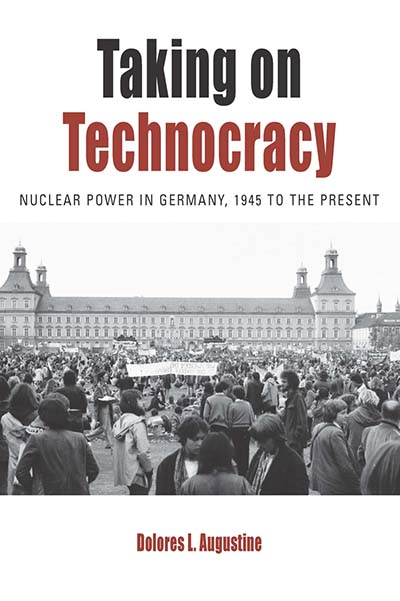
Taking on Technocracy: Nuclear Power in Germany, 1945 to the Present By Dolores L. Augustine, author of Taking on Technocracy: Nuclear Power in Germany, 1945 to the Present.


Energy policy has recently gained a good deal of public attention. “Germany, as far as I’m concerned, is captive to Russia because it’s getting so much of its energy from Russia,” President Trump argued at the NATO summit on July 11, 2018. Let’s set aside the faulty data underlying this argument and Trump’s own friendly policies towards Russia and turn instead to a more fundamental question: How wise have German energy policies been? Germany has taken a very different path from that of the United States, deciding in 2011 to abandon nuclear power by 2022. However, Germany has also committed itself to reducing use of fossil fuels. Has this placed German policymakers in a bind? Would life have been easier for Germany if it had not turned away from nuclear power? To understand the present-day situation, we must first look at its historical roots.

Why did Germany turn away from nuclear power? Continue reading “Has Germany’s turn away from nuclear power been a mistake?”

Nelson Mandela’s Mission

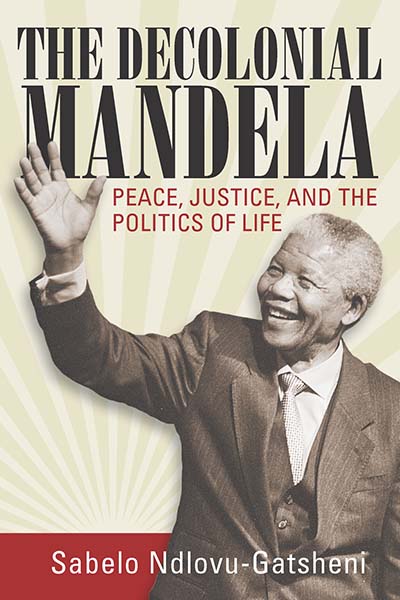
Nelson Mandela was born on July 18, 1918. Mandela was a South African anti-apartheid revolutionary, politician, and philanthropist, who served as President of South Africa from 1994 to 1999. He was the country’s first black head of state and the first elected in a fully representative democratic election. In 1962, he was arrested for conspiring to overthrow the state and sentenced to life imprisonment in the Rivonia Trial. Mandela served 27 years in prison, split between Robben Island, Pollsmoor Prison, and Victor Verster Prison.
This excerpt was adapted from The Decolonial Mandela: Peace, Justice and the Politics of Life by Sabelo Ndlovu-Gatsheni. Chapter 1 of this book is currently available online for free.  Continue reading “Nelson Mandela’s Mission”

Why monuments still have a future

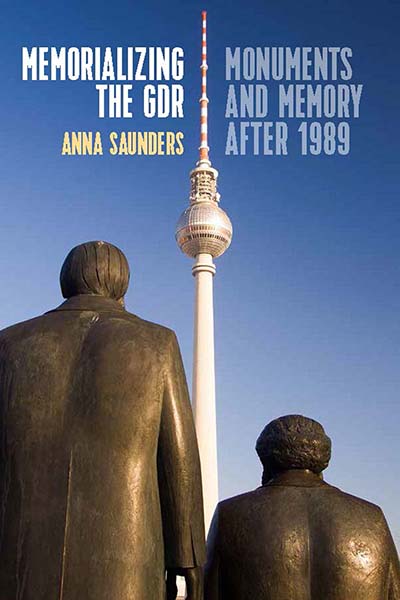
Memorializing the GDRby Anna Saunders, author of Memorializing the GDR: Monuments and Memory after 1989.
 

Recent years have witnessed fierce debates about the existence of controversial monuments around the world – most notably Confederate monuments and memorials, but also numerous structures built in honour of wealthy benefactors with murky pasts. The outcomes of such debacles have been varied. In the UK, Oriel College, Oxford, has recently stated its intention to keep its statue of Cecil Rhodes, whereas Bristol’s Colston Hall – named after the slave trader Edward Colston – will be renamed when it reopens in 2020. It seems that the future of monuments may be limited. Yet this depends on our understanding of the role of such structures. In this context, it is worth casting an eye towards Germany, a country whose twentieth century history has prompted the destruction – and construction – of monuments and memorials at a pace rivalled by few others. Continue reading “Why monuments still have a future”