Join our Email List




Newly released titles from Berghahn’s Anthropology, Colonialism, Economics, Politics, and History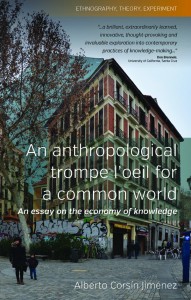 lists:
Creating a Nation with Cloth: Women, Wealth, and Tradition in the Tongan Diaspora, Ping-Ann Addo
Slavery and Antislavery in Spain’s Atlantic Empire, Josep M. Fradera and Christopher Schmidt-Nowara
An Anthropological Trompe L’Oeil for a Common World: An Essay on the Economy of Knowledge, Alberto Corsín Jiménez
Framing Africa Portrayals of a Continent in Contemporary Mainstream Cinema, Nigel Eltringham
Tax Justice and the Political Economy of Global Capitalism, 1945 to the Present, Jeremy Leaman and Attiya Waris
Routes into the Abyss Coping with Crises in the 1930s, Helmut Konrad and Wolfgang Maderthaner
Bedouin of Mount Sinai: An Anthropological Study of their Political Economy, Emanuel Marx
Empire, Global Coloniality and African Subjectivity, Sabelo J. Ndlovu-Gatsheni
Family Upheaval Generation, Mobility and Relatedness among Pakistani Migrants in Denmark, Mikkel Rytter
Up Close and Personal: On Peripheral Perspectives and the Production of Anthropological Knowledge, Cris Shore and Susanna Trnka
Astonishment and Evocation: The Spell of Culture in Art and Anthropology, Ivo Strecker and Markus Verne
The Gaddi Beyond Pastoralism: Making Place in the Indian Himalayas, Anja Wagner
The Nazi Genocide of the Roma: Reassessment and Commemoration, Anton Weiss-Wendt
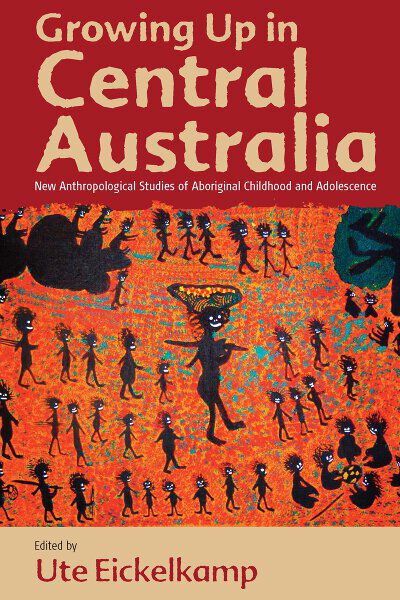 Paying attention to the life experiences and capacities of the Aboriginal children I had known as mediators, shifting presences and welcome companions for some years during field research with the senior knowledge bearers in a central Australian community has been a most rewarding experience, both personally and intellectually.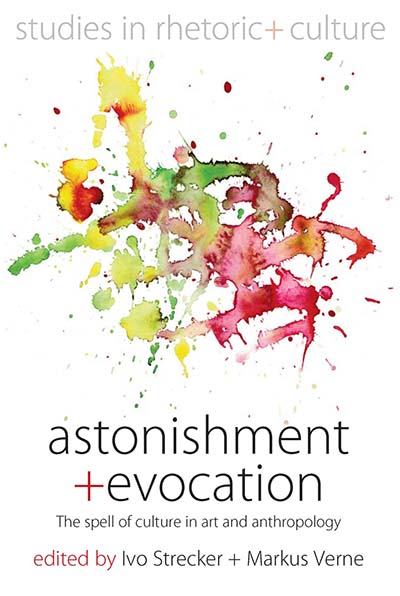
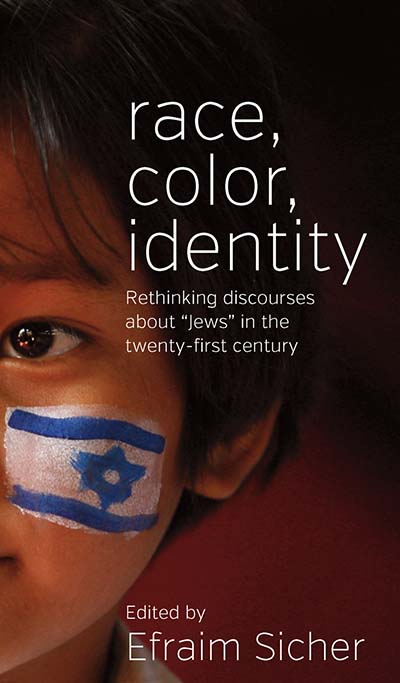 Berghahn Books: Did any perceptions on the subject change from the time you started your research/compiled the contributions to the time you completed the volume?
 In the collection
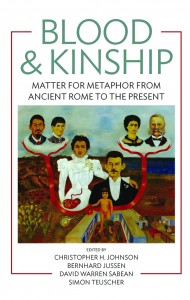
 What drew you to the study of Alexander von Humboldt?