Today in History of Performance Art

On this day in 1947, first-ever performance of Tennessee Williams’ play A Streetcar Named Desire thrilled the audience during it’s opening on the Broadway stage of Ethel Barrymore Theatre.

Produced by Irene Mayer Selznick and directed by Elia Kazan, the play shocked mid-century audiences with its frank depiction of sexuality and brutality onstage. When the curtain went down on opening night, there was a moment of stunned silence before the crowd erupted into a round of applause that lasted 30 minutes. On December 17, the cast left New York to go on the road. The show would run for more than 800 performances, winning numerous prizes and in 1951 was made into a movie.

———————————————————————————————————————————–

In relevance to the event Berghahn is delighted to offer an array of titles on Performance Studies:
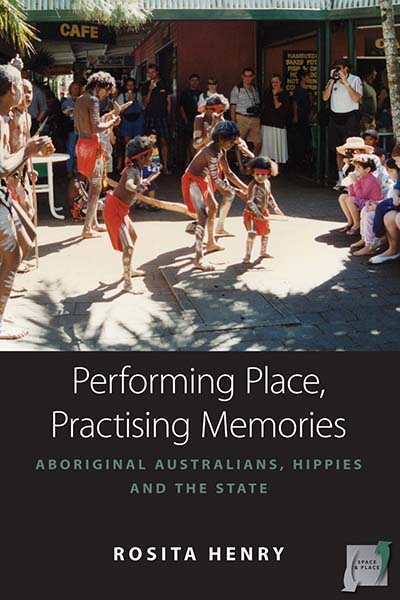
 

PERFORMING PLACE, PRACTISING MEMORIES
Aboriginal Australians, Hippies and the State
Rosita HenryDuring the 1970s a wave of ‘counter-culture’ people moved into rural communities in many parts of Australia. This study focuses in particular on the town of Kuranda in North Queensland and the relationship between the settlers and the local Aboriginal population, concentrating on a number of linked social dramas that portrayed the use of both public and private space. Through their public performances and in their everyday spatial encounters, these people resisted the bureaucratic state but, in the process, they also contributed to the cultivation and propagation of state effects.

Continue reading “Today in History of Performance Art”

Mathematics, A Fundamental Communication Tool

Two days after the United States announced its intention to launch an artificial satellite, on July 31, 1956, the Soviet Union announced its intention to do the same. Sputnik 1 was launched on October 4, 1957, beating the United States and stunning people all over the world. According to Carl L. Devito’s Science, SETI, and Mathematics, we have come a long way since then. Following is the author’s reflection on his volume.


__________________________


Mathematics is as much a part of our humanity as music and art.

Continue reading “Mathematics, A Fundamental Communication Tool”

Simulated Shelves: Browse October’s New Books

We are delighted to present a selection of our newly published October titles from our core subjects of Anthropology, Cultural Studies, Gender Studies, History, Medical Anthropology, and Socio-Legal Studies along with a selection of our New in Paperback titles.

———————————————————————————————————————————–


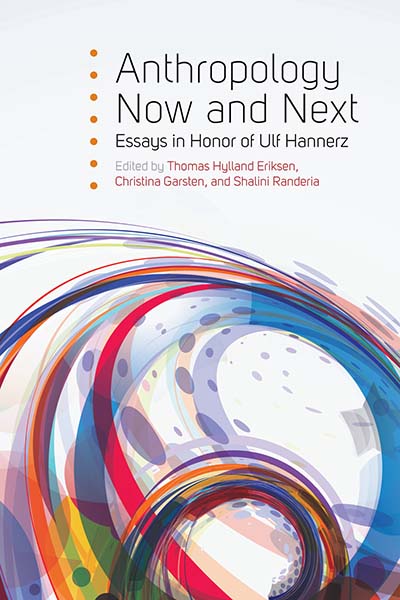
ANTHROPOLOGY NOW AND NEXT
Essays in Honor of Ulf Hannerz
Edited by Thomas Hylland Eriksen, Christina Garsten and Shalini Randeria

Continue reading “Simulated Shelves: Browse October’s New Books”

Migration: A World on the Move

On this day, November 12, 1954, Ellis Island, the gateway to America, shut it doors after processing more than 12 million immigrants since opening in 1892. Today, an estimated 40 percent of all Americans can trace their roots through Ellis Island, located in New York Harbor off the New Jersey coast.

United Nations has estimated that more people than ever are living abroad. In 2013, 232 million people, or 3.2 percent of the world’s population, were international migrants, compared with 175 million in 2000 and 154 million in 1990. The magnitude and complexity of international migration makes it an important force in development and a high-priority issue for both developing and developed countries.


———————————————————————————————————————————–

Browse some of Berghahn relevant titles on Refugee & Migration Studies:


THE POLITICAL ECONOMY OF BORDER DRAWING
Arranging Legality in European Labor Migration Policies
Regine Paul

Continue reading “Migration: A World on the Move”

25th Anniversary of the Fall of the Wall

From 1961 to 1989, the city of Berlin was divided by the most visible sign of the Cold War: a wall more than 140km (87 miles) long. On 9 November 1989, East German authorities announced they would allow free access between east and west Berlin. Crowds of euphoric East Germans crossed and climbed on to the wall, leading to a reunited Germany.


Berlin is marking the 25th anniversary of the fall of the wall by “rebuilding” it with glowing white balloons. Some 8,000 illuminated helium balloons will trace a 15km-long section of the wall, snaking around the city, for just one weekend (7 to 9 November). The installation will come to an end on the evening of 9 November, when volunteers will release the balloons and set them free, soaring into the night sky to the strains of Beethoven’s 9th Symphony, played by the European Youth Orchestra. The balloons are made out of a biodegradable material so will not harm the environment. For a full story and more information on the event please visit ibtimes.co.uk


———————————————————————————————————

Browse Berghahn relevant titles:


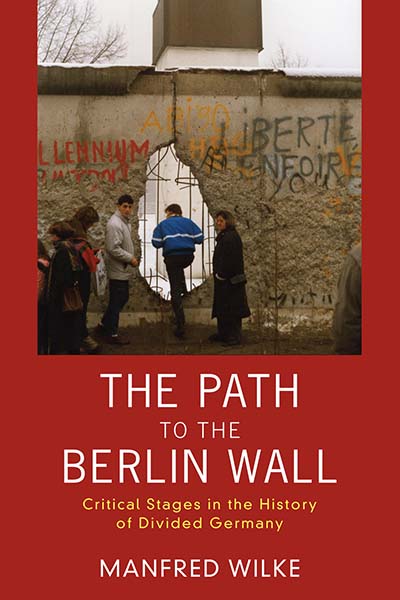
THE PATH TO THE BERLIN WALL
Critical Stages in the History of Divided Germany
Manfred Wilke
Translated from the German by Sophie Perl

Continue reading “25th Anniversary of the Fall of the Wall”

Cameras on the Nation’s Darkest Hour

Recent BBC Culture article, Christian Petzold: How Germans today confront the Nazis, takes a look at how the attitude of German filmmakers has changed in the past 15 years and how the cinema is turning the cameras on the nation’s darkest hour in films and TV. Read more on what Nina Hoss, an actress in the latest German film to address the war and its aftermath Christian Petzold’s Phoenix, has to say bbc.com/culture

———————————————————————————————————————————–

Browse some of Berghahn’s relevant titles on the topic of Nazi portrayal and postwar cinema in Germany & Europe.


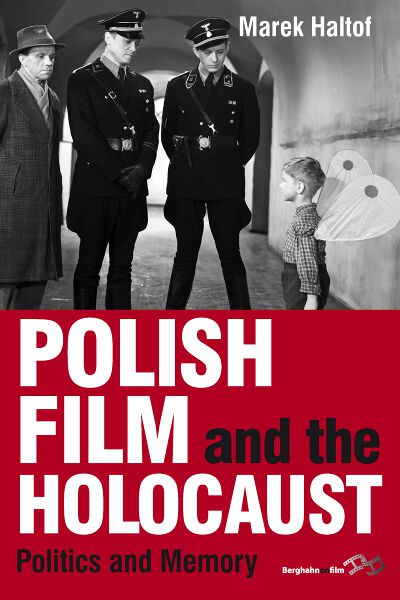
POLISH FILM AND THE HOLOCAUST
Politics and Memory
Marek Haltof

Continue reading “Cameras on the Nation’s Darkest Hour”

Religion, TV Drama, and Life in Africa


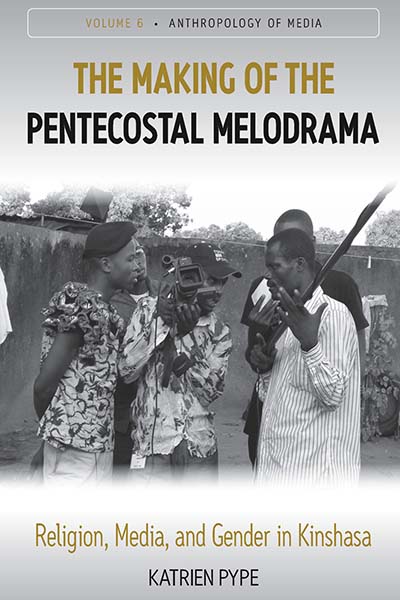
Television dramas set in Kinshasa, capital of the Democratic Republic of Congo, offer viewers interesting commentaries on life in the African city, according to Katrien Pype. The connection between real-life and filmic melodrama, conversion narratives, Christian songs and testimonies are described in her book, The Making of the Pentecostal Melodrama: Religion, Media and Gender in Kinshasa, now available in paperback. Following, the author gives a synopsis of two popular TV shows in Kinshasa, Kalaonga and The Heritage of Death. These descriptions are followed by clips from each serial.


Kalaonga

(produced between March 2004 and November 2005)


The serial opens in the Dark World. Baaba, the Devil, accompanied by two demons, is listening to his daughter, the siren Kalaonga.

Continue reading “Religion, TV Drama, and Life in Africa”

Reinventing Holiday

In advance of the approaching holiday, on Monday, October 6th, the Seattle City Council unanimously voted to redesignate the federal Columbus Day holiday as Indigenous Peoples’ Day to reflect that Native Americans were living on the continent before Christopher Columbus’s 15th Century arrival. Reinventing the holiday to a more politically correct and inclusive would celebrate the contributions and culture of the people on the other side of the New World discovery story.

Minneapolis voted in April to replace Columbus Day, while several states, including Alaska, Hawaii and Oregon do not acknowledge the holiday which became a U.S. federal holiday in 1937.

——————————————————————————————————————–


Berghahn recognizes the significance of indigenous cultures and is happy to present some of its relevant titles:


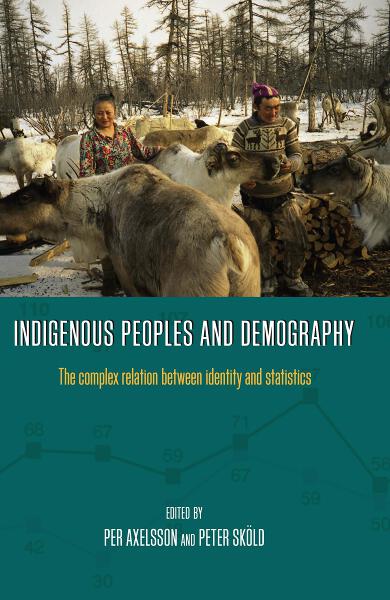
INDIGENOUS PEOPLES AND DEMOGRAPHY
The Complex Relation between Identity and Statistics
Edited by Per Axelsson and Peter Sköld

Continue reading “Reinventing Holiday”

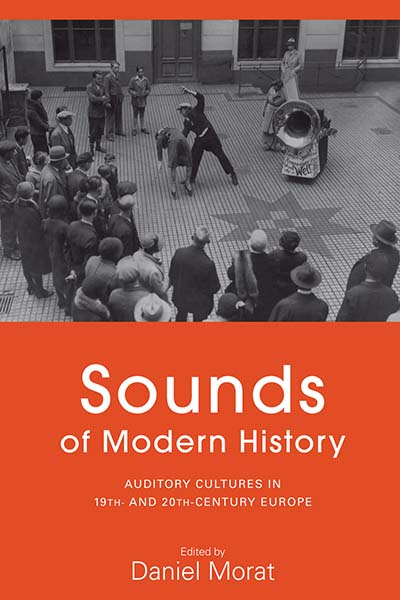
Hearing History of the 19th and 20th Centuries

In a newly published collection, editor Daniel Morat and his contributors approach historical analysis in an uncommon way — by using their sense of hearing. The authors examine the way modern history sounds in Sounds of Modern History: Auditory Cultures in 19th- and 20th-Century Europe. Following, the editor gives a brief introduction and shares an excerpt from his chapter. The excerpt is accompanied by a recording from 1914 Germany.


_______________________________


When Europe went to war in the summer of 1914, scenes of vociferous war enthusiasm have been reported from many European cities. Historiographic research of the last twenty years has shown that these scenes were not representative of the general mood in the warring nations. Still, they have long dominated our perception of the outbreak of World War I.

Continue reading “Hearing History of the 19th and 20th Centuries”

Media Studies

The media allows access to incredible amounts of information and continues to become very integral to the lives of many people. Legislatures, media executives, local officials, general population, historians and sociologists have all debated the controversial question of what rode and influence does mass media play in history and society. While opinions vary as to the extent and type of influence the mass media wields, all sides agree that mass media is a permanent part and a significant force in modern culture.

——————————————————————————————————————–

Berghahn is delighted to present some of its relevant titles from the Media Studies list:


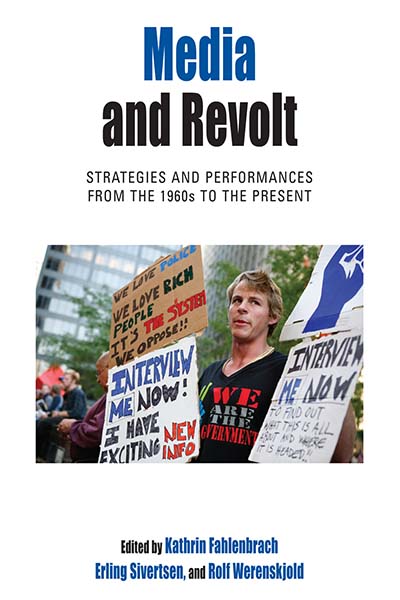
MEDIA AND REVOLT
Strategies and Performances from the 1960s to the Present
Edited by Kathrin Fahlenbrach, Erling Sivertsen & Rolf Werenskjold

Volume 11, Protest, Culture & Society

Continue reading “Media Studies”