International Roma Day

 Join our Email List







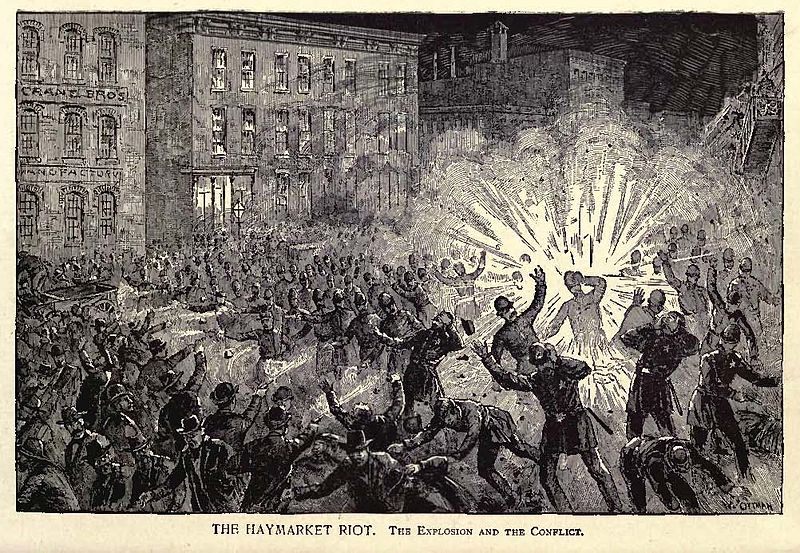
May Day, also called International Workers’ Day, is observed in many countries on May 1. It commemorates the historic struggles and gains of worker and labor movements worldwide.



13 August 2020
Continue reading “A Taste for Oppression”
Gypsy, Roma, Traveller History Month recognizes the history and celebrates the cultures, traditions, and contributions of Gypsy, Roma and Traveler communities. See a growing list of digital #GRTHM2020 activities here.
Continue reading “June is Gypsy, Roma, Traveller History Month”Omer Bartov, Brown University
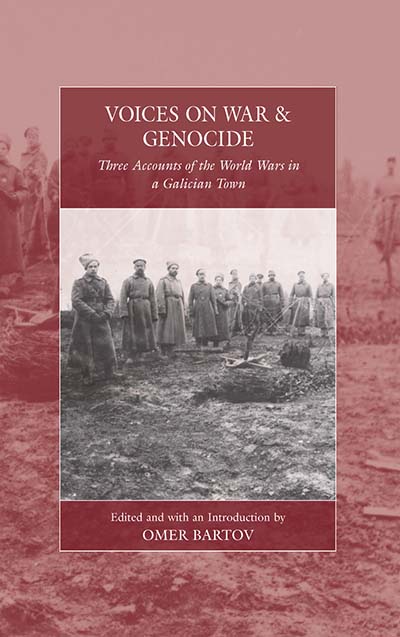
This book is derived from research I carried out for my recent monograph, Anatomy of a Genocide: The Life and Death of a Town Called Buczacz (2018). In the course of looking for documents in scores of archives and libraries, as well as seeking personal accounts that would help me reconstruct the “biography” of a small town in eastern Europe, I found three remarkable diaries about events in Buczacz during the two world wars. While the monograph I was writing attempted to capture the individual voices of the town’s residents as a way of understanding how a community of interethnic coexistence was transformed into a site of communal genocide, it was not possible to bring to light the different protagonists’ personal stories as told from their own perspective. This is precisely what Voices on War and Genocide offers.
Continue reading “Voices on War and Genocide”Today marks the 75th anniversary of Victory in Europe Day, commemorating the conclusion of World War II. On May 8, 1945, the Allies formally accepted Nazi Germany’s unconditional surrender, marking the end of the war on the European continent.
Continue reading “In commemoration of the 75th anniversary of Victory in Europe”TIMOTHY E. PYTELL
The recent United Nations General Assembly declaration that the anniversary of the liberation of Auschwitz – January 27 – be designated International Holocaust Remembrance Day reflects the reality that the Holocaust has become a touchstone in global memory. Given the magnitude of the “unprecendented” destruction, this is not surprising. However, the conflation of the Holocaust with Auschwitz also distorts our understanding. For example, although Auschwitz is the culmination of the Holocaust, by the time the gas chambers came onto line at Auschwitz in April of 1943 three quarters of the Jews killed in the Holocaust were already dead. The vast majority of the Soviet and Polish Jews were killed east of the Molotov-Ribbentrop line and often by bullets. In Timothy Snyder’s words “Auschwitz is the coda to the death fugue.” (Snyder Bloodlands p. 383).
Continue reading “Viktor Frankl: 75 years after the liberation of Auschwitz”