Join our Email List




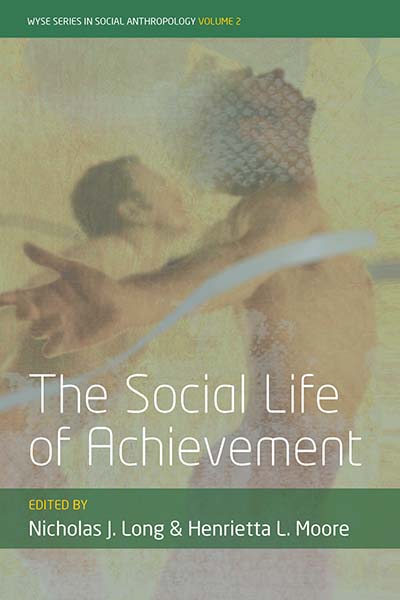
Achievement is commonly defined as a successful completion of a given undertaking, but what it means to “achieve” is not a static idea the world over. Contributors to The Social Life of Achievement, published last month, examine meanings of achievement in countries and cultures throughout the world. Below, co-editor Nicholas J. Long addresses the term and provides insight into the background of the volume, from its inception to its subjects to its methodology.
_______________________________________________
Berghahn Books: What drew you to the study of achievement? And what inspired you to research and write about it?
Nicholas J. Long: Fieldwork! In the Riau Islands – the region of Indonesia where I’ve conducted most my research – people talk and think about achievement all the time. It’s become an integral component of the citizenship syllabus: students are taught that a good Indonesian should try to seize any opportunities for ‘achievement’ that they can. And it’s an incredibly widespread trope in public culture. I quickly realised that I wasn’t going to be able to write a good ethnography of the region without engaging in some way with this achievement discourse and how it was shaping people’s lives.

 The British print and online media has for the last year been awash with compelling stories about abuses of the welfare system: the mother who has 11 children and feels the state should fund her life choices; the recent immigrants who are entitled to welfare benefits notwithstanding a lack of accumulated contribution; the ‘disabled’ welfare claimants who are exposed as professional dancers or scuba divers.