 Join our Email List




Author: Berghahn Journals
Reading Against Racism: a Berghahn Collection
ANNOUNCING:
Reading Against Racism
a Berghahn Collection
Following an initial proposal for lasting solidarity in June of 2020, Berghahn Books committed to joining the global academic community and our publishing peers in challenging racism. Since then, we have fostered company-wide conversations on how best to contribute in perpetuity to that cause from the vantage point of our publishing program.
Through establishing a new collection titled Reading Against Racism: A Berghahn Collection, we have committed to increasing the visibility of and access to materials which contribute to ongoing conversations surrounding race and racism.
Here, a growing collection –– international in scope –– hosts contributions from our global community and is freely available as part of an expanded Digital Resources section to help further activity in vital areas of scholarship.
As we settle into a new academic year, we encourage you to use this as a teaching and learning resource, in or outside the classroom, or as a tool to continue your independent education.
Teachers, consider sharing this with your students. Students, consider this for your academic research. Individuals, consider adding this to your reading list or book club.
To coincide with the release of Reading Against Racism, our newest Salon B podcast episode features four interviews with writers included in the collection. This podcast episode thus serves as a friendly, informal introduction to the collection itself and a few of the individuals whose scholarly work has made this effort possible. Listen via the link below.


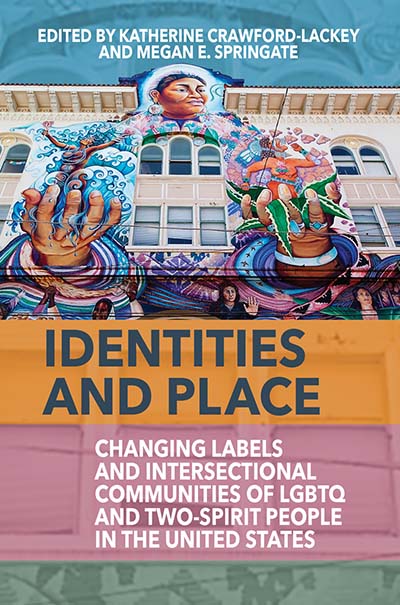
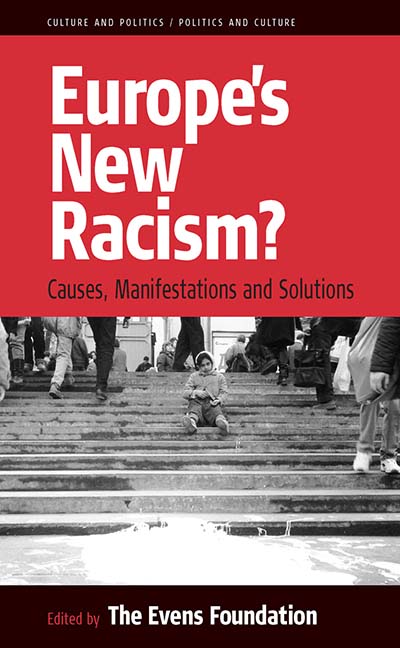
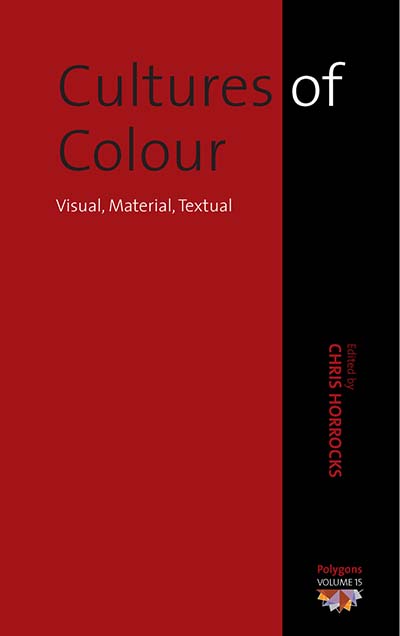
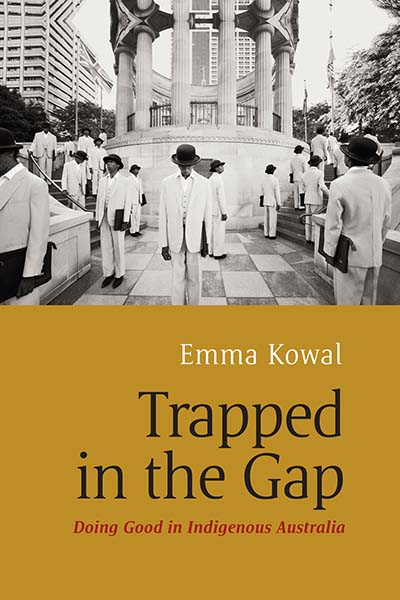
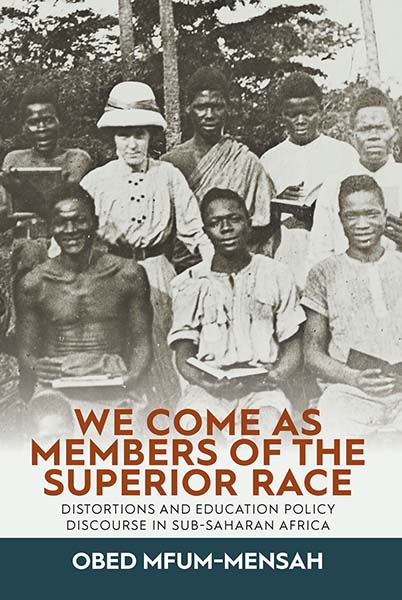
Reading Against Racism includes chapters and articles from the following works published by Berghahn Books and Berghahn Journals.

The Berghahn Open Anthro Journey: Embarking on a discipline-driven equitable open access initiative, Part II
by Vivian Berghahn, Managing Director and Journals Editorial Director
Continue reading “The Berghahn Open Anthro Journey: Embarking on a discipline-driven equitable open access initiative, Part II”The Berghahn Open Anthro Journey: Embarking on a discipline-driven equitable open access initiative, Part I
by Vivian Berghahn, Managing Director and Journals Editorial Director
In 2021 Berghahn Open Anthro entered its second year as a ground-breaking three-year pilot. In this two-part blog post we will share how its journey has brought together various stakeholders to realize the goal of attaining an equitable path to open access using the subscribe-to-open (S2O) model.
Our intention is to outline how stakeholders have supported the pilot: as a researcher by urging their library to maintain subscriptions for the journals they value as a reader and author; as a librarian by advocating that budgets remain allocated to those journal(s) in order to support their faculty needs; as a funder by endorsing the model and channeling block grant funds to supplement strained library resources; and as a publisher considering their next steps for open access, by implementing the model for those journals that fit.
These actions all contribute to furthering a model that offers a path to open access that can be sustainable, especially for journals in the social sciences and humanities, with this kind of ongoing support.
In Part I of this post, we first set out the broader open access publishing environment a publisher like Berghahn finds itself in and how and why the APC-free solution of S2O resonated. We will then share the range and forms of librarian participation and researcher support this model draws from. Finally, in Part II, we will share the disciplinary foundations of our particular pilot and conclude with an update on where we are now and where we should all be headed.
Continue reading “The Berghahn Open Anthro Journey: Embarking on a discipline-driven equitable open access initiative, Part I”Climate Change: Readings & Responses

Open Access Week is Here!

Berghahn Books supports practical Open Access policies that help make scholarship available to a broader audience in a sustainable way.
In addition to offering gold open access options that uphold publication mandates instituted by our authors’ funding partners, we also participate in initiatives, such as Knowledge Unlatched, which provide collective funding opportunities for selected titles.
Additional information regarding our open access policies can be found here, under the “Open Access” tab. If open access status is required for your publication, please contact your Berghahn editor.
Continue reading “Open Access Week is Here!”Crafting Chinese Memories: The Art and Materiality of Storytelling
by Katherine Swancutt
Katherine Swancutt is the author of Crafting Chinese Memories: The Art and Materiality of Storytelling.
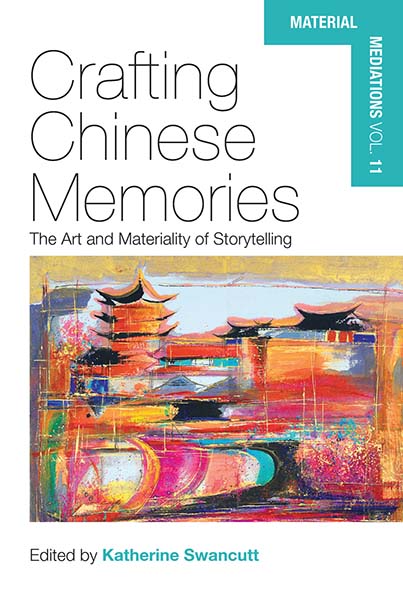
Storytelling is always an entertaining and lively theme, but it’s surprisingly elusive to come to grips with conceptually. This is especially the case when pairing storytelling with other great warhorses of social theory like art, materiality, and memory, which often require fine-grained interdisciplinary detail to bring them fully to light. Factor in the study of China from ancient times to the present day – with an expansive focus that includes not only the Han ethnic majority, but also China’s ethnic minorities, the strange, and the Other – and you have the makings of a rather epic volume on one of the oldest and richest civilizations in the world. Crafting Chinese Memories sets out to do all of this through original essays on Chinese art, film, historiography, literature, socialism, imagination, fantasy, race, colonialism, statelessness, personal memoirs, elite inner circles, legends, ethnography, mimesis, and gestures to what counts as ‘memorable’. Wearing multiple disciplinary hats at once, each of the volume’s contributors explores personal, social, and cultural memories in and of China. Their contributions reveal the myriad mise-en-abyme (or ‘stories within a story’) that unfold through the memory works of artists, filmmakers, novelists, life writers, civil servants, and indigenous storytellers. Readers are invited to treat themselves to this enthralling panorama of memory-making that unfolds within and beyond China’s borders.
Continue reading “Crafting Chinese Memories: The Art and Materiality of Storytelling”Delta Life: Exploring Dynamic Environments where Rivers Meet the Sea
Edited by Franz Krause and Mark Harris
Franz Krause and Mark Harris are the editors of Delta Life: Exploring Dynamic Environments where Rivers Meet the Sea (Open Access).

What is a river delta? There is a popular answer to this question among people who have had geography lessons and seen satellite images of deltas: usually, a delta is the area formed by the sediments of a river as it spills into another waterbody. It often features a fascinating network of meandering channels and distributaries, and its human land uses must adapt to the vagaries of a dynamic terrain characterized by land subsistence, flood risk, rampant erosion and high sediment loads.
Identity in Peer Review: Fostering New Voices by Changing Editorial Practices

by Joanna Cobley and Conal McCarthy
Researchers at all stages and levels are encouraged to publish. Academic publications, including Museums Worlds: Advances in Research, undergo a peer review process. The purpose of peer review is to ensure research integrity while encouraging new ideas, knowledges and experimental methods to emerge. In fact, peer review fosters researcher development for the researcher and reviewer, and for the entire publishing team working behind the scenes, including the journal editors, copyeditors and publishing house editors. As a result, peer review develops a dynamic community of practitioners.
Continue reading “Identity in Peer Review: Fostering New Voices by Changing Editorial Practices”Of Soldiers and Dreamers: Peter Lilienthal in Latin America

by Claudia Sandberg
Claudia Sandberg is the author of Peter Lilienthal : A Cinema of Exile and Resistance.
Sitting at a wooden bench, the young woman Marcela follows the teacher attentively. She has decided to take part in the literacy campaign that was launched by the Unidad Popular government. In a group with other woman, they have gathered in the meeting place and school of the shanty town community La Victoria, situated at the fringes of the Chilean capital, to get trained for this task. The teacher in front holds up a poster that shows a family of three generations. Below appears the Spanish word HOGAR (home). Marcela protests that this image surely does not represent the reality of many people. The other women chime in by referring to their own situation; they are married, divorced, or widowed, they live alone, with their children or with their parents. The word home means something different to each one of them.
Continue reading “Of Soldiers and Dreamers: Peter Lilienthal in Latin America”