Space and Place

Unlike a painting or a sculpture, architectural sites cannot be work of a single artist. They arise from collaborations among historical figures, architects, engineers, bankers, and many more. Some structures become much more than just a place to live, work, worship or be entertained, instead they become symbols embedded with cultural knowledge, history and social value.


Berghahn is delighted to bring Space and Place Series to your attention. This series provides ethnographically rich analyses of the cultural organization and meanings of these sites of space, architecture, landscape, and places of the body. Contributions examine the symbolic meanings of space and place, the cultural and historical processes involved in their construction and contestation, and how they communicate with wider political, religious, social, and economic institutions.

———————————————————————————————————————————-
 

Volume 15 Forthcoming! 

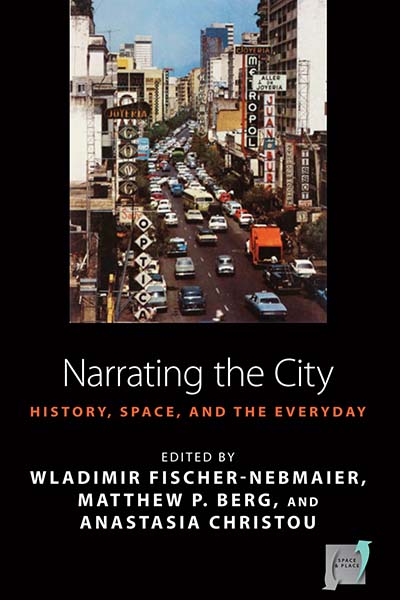
NARRATING THE CITY
Histories, Space and the Everyday
Edited by Wladimir Fischer-Nebmaier, Matthew P. Berg, and Anastasia Christou

Continue reading “Space and Place”

Simulated Shelves: Browse November’s New Books

We are delighted to present a selection of our newly published November titles from our core subjects of History, Media Studies, Medical Anthropology, Sociology and Urban Studies, along with a selection of our New in Paperback titles.

———————————————————————————————————————————–


U.S. FOREIGN POLICY AND THE OTHER
Edited by Michael Patrick Cullinane and David Ryan

Continue reading “Simulated Shelves: Browse November’s New Books”

Today in History of Performance Art

On this day in 1947, first-ever performance of Tennessee Williams’ play A Streetcar Named Desire thrilled the audience during it’s opening on the Broadway stage of Ethel Barrymore Theatre.

Produced by Irene Mayer Selznick and directed by Elia Kazan, the play shocked mid-century audiences with its frank depiction of sexuality and brutality onstage. When the curtain went down on opening night, there was a moment of stunned silence before the crowd erupted into a round of applause that lasted 30 minutes. On December 17, the cast left New York to go on the road. The show would run for more than 800 performances, winning numerous prizes and in 1951 was made into a movie.

———————————————————————————————————————————–

In relevance to the event Berghahn is delighted to offer an array of titles on Performance Studies:


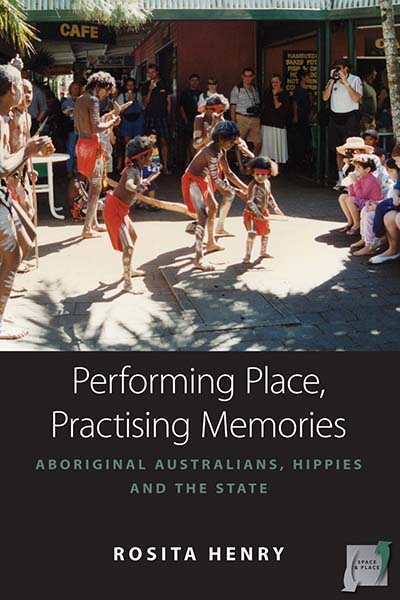
PERFORMING PLACE, PRACTISING MEMORIES
Aboriginal Australians, Hippies and the State
Rosita HenryDuring the 1970s a wave of ‘counter-culture’ people moved into rural communities in many parts of Australia. This study focuses in particular on the town of Kuranda in North Queensland and the relationship between the settlers and the local Aboriginal population, concentrating on a number of linked social dramas that portrayed the use of both public and private space. Through their public performances and in their everyday spatial encounters, these people resisted the bureaucratic state but, in the process, they also contributed to the cultivation and propagation of state effects.

Continue reading “Today in History of Performance Art”

Cameras on the Nation’s Darkest Hour

Recent BBC Culture article, Christian Petzold: How Germans today confront the Nazis, takes a look at how the attitude of German filmmakers has changed in the past 15 years and how the cinema is turning the cameras on the nation’s darkest hour in films and TV. Read more on what Nina Hoss, an actress in the latest German film to address the war and its aftermath Christian Petzold’s Phoenix, has to say bbc.com/culture

———————————————————————————————————————————–

Browse some of Berghahn’s relevant titles on the topic of Nazi portrayal and postwar cinema in Germany & Europe.


POLISH FILM AND THE HOLOCAUST
Politics and Memory
Marek Haltof

Continue reading “Cameras on the Nation’s Darkest Hour”

Let’s Celebrate Tourism!

The 2014 World Tourism Day will be celebrated on September 27. The purpose of this day is to raise awareness on the role of tourism within the international community and to demonstrate how it affects social, cultural, political and economic values worldwide. With this in mind we present below a selection of relevant titles, and a 25% discount on all our Travel and Tourism books for the next 30 days. At checkout, simply enter the code WTD14.


We are also pleased to offer specially selected Berghahn Journals articles compiled in this free virtual issue. We hope you enjoy.


____________________________________________________________


Here are a few of our relevant Travel & Tourism titles:


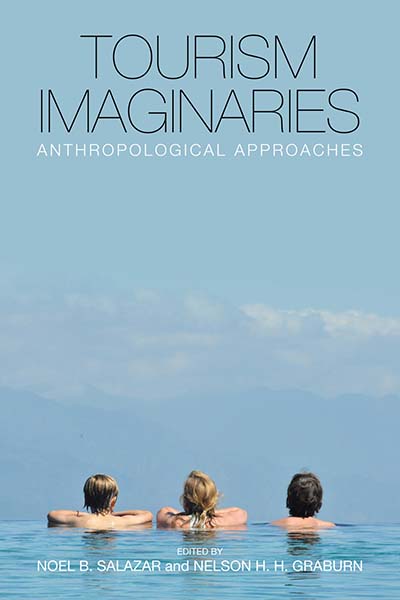
TOURISM IMAGINARIES
Anthropological Approaches
Edited by Noel B. Salazar and Nelson H. H. Graburn
Afterword by Naomi Leite


Continue reading “Let’s Celebrate Tourism!”

Star-Studded Regime: A Look at Film Celebrity in Fascist Italy

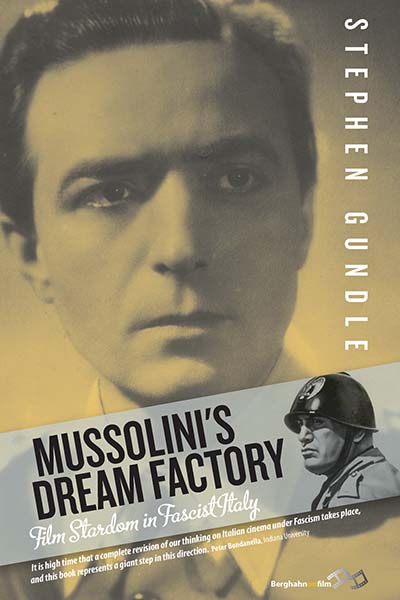
Celebrities today can perform political functions by sponsoring causes, supporting or opposing governments and shaping opinion. In Fascist Italy, celebrities also played an important role and the regime was well aware of the possible uses and dangers of their popularity. This important connection has been overlooked by scholars of both film and of Italian political history. Focusing on a period from the 1920s through 1945, Mussolini’s Dream Factory: Film Stardom in Fascist Italy looks at the star power of these often-overlooked celebrities and the fate of their careers after WWII. Author Stephen Gundle expands on these ideas and shares his thoughts on the subject, below.


_______________________________________________


Berghahn Books: What drew you to the study of film and film stardom in Fascist Italy?


Stephen Gundle: There are lots of books written about fascist Italy and it seems to be a topic that endlessly fascinates.  In the last few years books have appeared on topics such as the police force, diplomacy, road-building, women’s fashions and everyday life. Yet there are few books on fascist cinema – which is largely ignored by historians and neglected by film scholars who tend to concentrate on neorealism or other aspects of postwar cinema.

Continue reading “Star-Studded Regime: A Look at Film Celebrity in Fascist Italy”