Join our Email List




It all started in 1999 with a camera that appeared to have superpowers, and that observation led to the publication of Supercinema: Film-Philosophy for the Digital Age in May 2013. Below, author William Brown examines the digital techniques of modern cinema in his recently published work, in which he tells the story of popular cinema hiding behind analogue cinema techniques, “analogous to that of Superman hiding his powers behind the persona of Clark Kent.”
___________________________________

My monograph, Supercinema, has two principal moments of origin.
The first moment came when watching Fight Club in 1999. I was intrigued by the way in which the camera passed – seemingly without a cut – through solid objects and empty space as if they were both permeable.

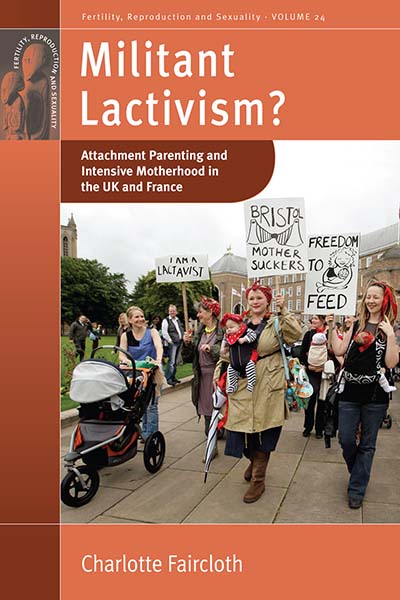 Militant Lactivism? is a book based on research with women in London and Paris who are members of La Leche League (LLL), an international breastfeeding support organisation. The text focuses on the accounts of a small but significant population of mothers within LLL who practise ‘attachment parenting’. This is a style of care which endorses close parent-child proximity and typically involves long-term, on-cue breastfeeding, baby ‘wearing’ and co-sleeping as part of a ‘family bed’ philosophy. It is becoming increasingly popular in both the US and the UK, and has recently received a lot of publicity following a particularly provocative TIME magazine feature, amongst other
  Until now, research on the Second World War in Europe has focused on two main areas: on the one hand, the individual countries, and on the other, the two big “blocs”: the Allies and the Axis Powers. On the part of the Allies, historians made the point very early that states with different political systems and values managed to cooperate temporarily while still striving to achieve their respective goals. Awareness of this was heightened by the sudden shift from the partnerships in the Second World War, to the reality of the Cold War between previous allies the United States and the Soviet Union and the East/West division of the European continent by the Iron Curtain.
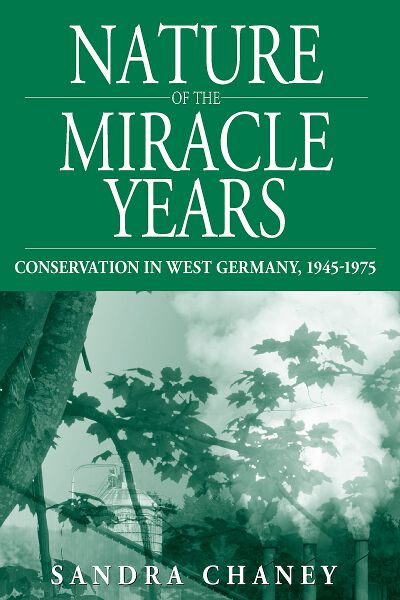 A rewarding part of this project involved writing three cases studies which focus on preserving a scenic gorge, landscaping a canalized river, and restoring “wild” nature to a managed forest. Taken together, these stories capture important shifts in West German efforts to restore varying degrees of naturalness in their intensively used landscapes. Research took me to the Black Forest, the Mosel Valley, and the Bavarian Forest, and to the homes and offices of dedicated conservationists. Whether perusing Black Forest Society records in the basement of a retired forester or reviewing hundreds of postcards protesting the Mosel Canal in the Foreign Office archives, I was struck by the daunting challenge conservationists faced in promoting sustainable uses of nature when more powerful groups favored exploiting it and when legal and administrative support systems for conservation remained weak.