Heritage-Making, Bagamoyo, and the East African Caravan Trade
BY JAN LINDSTRÖM
Continue reading “Muted Memories” Join our Email List





BY JAN LINDSTRÖM
Continue reading “Muted Memories”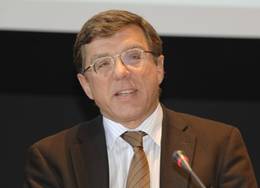
The German Historical Institute London (GHIL), the International History Department of the London School of Economics and Political Science (LSE), and the Gerda Henkel Foundation in Düsseldorf have appointed Berghahn author Ulrich Herbert to the position of Gerda Henkel Visiting Professor 2019/20. He will give his inaugural lecture on December 10th, 2019 at the German Historical Institute (see the GHIL website for more information).
Continue reading “Author news: Ulrich Herbert is Gerda Henkel Visiting Professor 2019/20”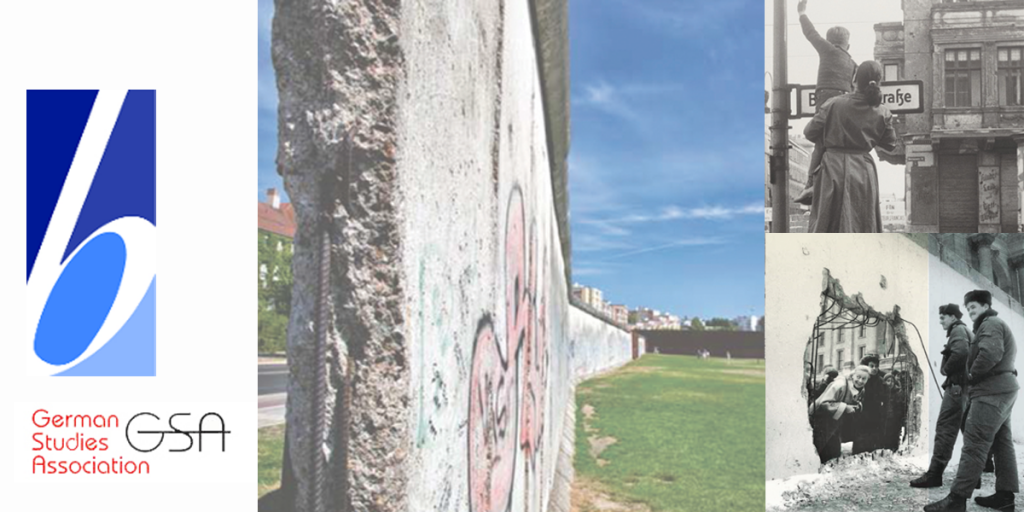
On October 7th, 1949, the Democratic Republic of Germany was proclaimed, dividing Germany between East and West.
Seventy years later, we find ourselves in the days leading up to the German Studies Association’s annual meeting. A great deal has happened between 1949 and now, and we are delighted to present titles that provide comprehensive histories of this time period.
BY ANDREW REINHARD, author of ARCHAEOGAMING: An Introduction to Archaeology in and of Video Games

September 12 marks the 22nd annual National Video Games Day, a day with hazy origins. When I think about time and video games, a few things come to mind: anniversaries of course, release dates, retirement dates. I found myself wondering: what commercial games premiered in September 1997, the first official #VideoGamesDay (which was the first year I could start buying games for myself with discretionary income)? There are some classics, all for Windows/DOS: Oddworld: Abe’s Oddysee, Ultima Online, Fallout. There are also some games lost to time: Breath of Fire III, Croc: Legend of the Gobbos, Close Combat: A Bridge Too Far, Panzer General II, Poy Poy, and Total Annihilation.
Continue reading “Portable, Digital Heritage and Memories of Place”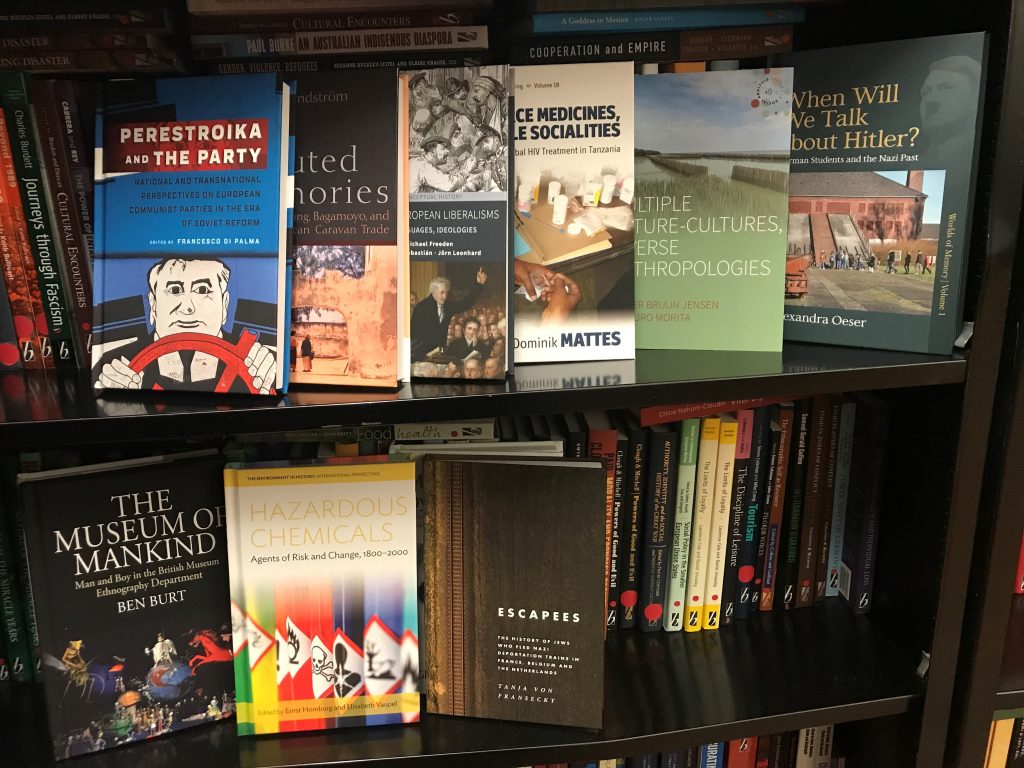
We’re delighted to offer a selection of latest releases from our core subjects of Anthropology, Environmental Studies, History, and Museum Studies along with our new in paperback titles and new Berghahn journal issues published in August.
Continue reading “SIMULATED SHELVES”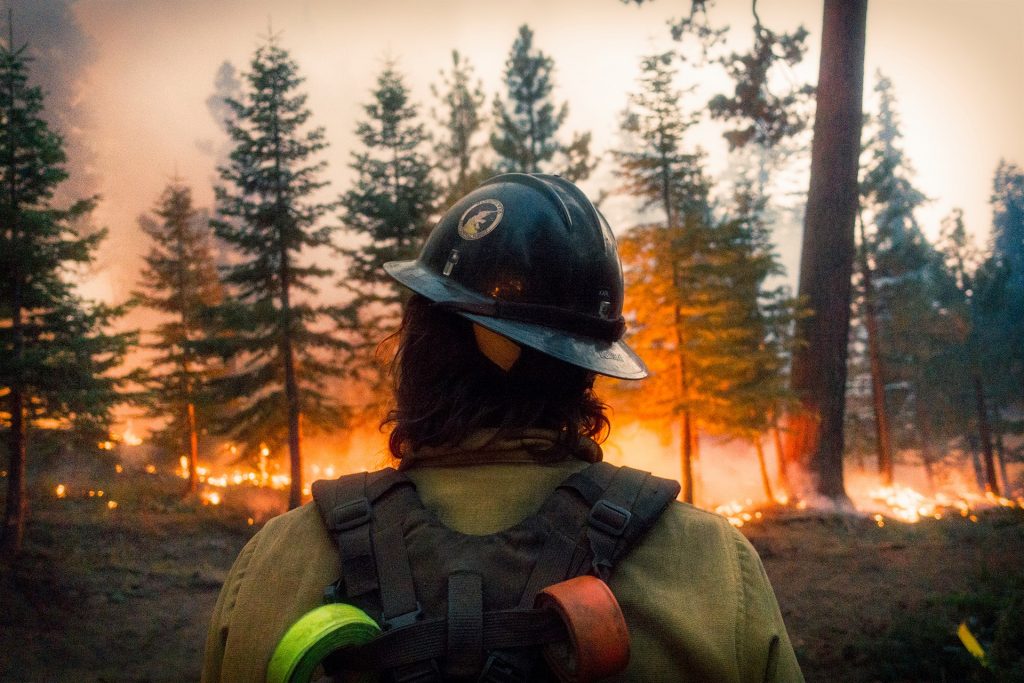
Stephen Most’s 2018 documentary WILDER THAN WILD: Fire, Forests and the Future recounts recent California megafires of 2013 and 2017, revealing how fuel build-up and climate change have exposed Western wildlands to large, high-intensity wildfires while greenhouse gases released from these fires contribute to global warming. As the Amazon rainforest continues to burn, understanding and awareness of this film’s research and message is more important than ever before.
Continue reading “WILDER THAN WILD: Fire, Forests and the Future”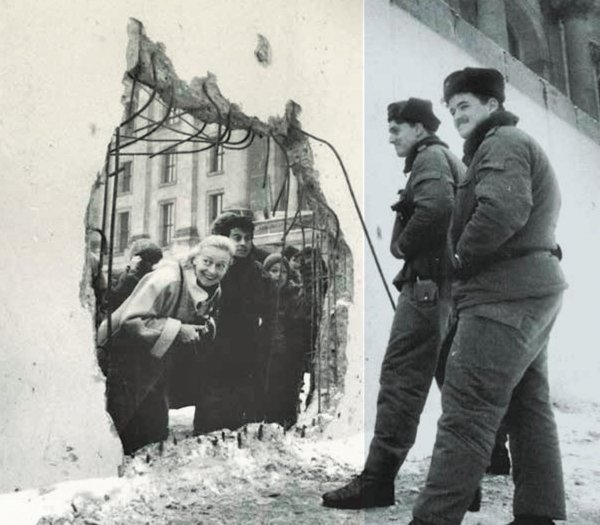
This week marks the fifty-eighth anniversary of the construction of the Berlin Wall. The Iron Curtain was assembled in the middle of Berlin in August 1961 and expanded over the following months to ultimately divide West Berlin from the surrounding East Germany, prohibiting East Germans to pass into West Germany for decades. Browse our relevant titles on the history and ramifications of a divided Germany.
Continue reading “A Divided Germany”
Academic Research in the Anthropology of Europe
Berghahn Journals is delighted to announce the Anthropological Journal of European Cultures (AJEC) Blog! This blog will highlight the research of authors published in AJEC by giving them space to reflect on different aspects of their research and include photos and stories not included in their scholarly journal article. It will additionally introduce readers to the editors of the Journal by way of short interviews, giving readers insight into the AJEC and giving the editors opportunity to offer sage advice on the submission process, particularly for early career anthropologists. Read More
To kick off the blog, the first post is an interview with Ullrich Kockel. Professor Kockel has been an editor of AJEC for over a decade. In this interview, he reflects on his experience editing AJEC.
To view the journal, please visit www.berghahnjournals.com/ajec

The United Nations’ International Day of the World’s Indigenous Peoples is observed on August 9 each year to honor the estimated 370 million indigenous people around the world. The day was established to recognize the first meeting of the United Nations Working Group on Indigenous Populations held in Geneva in 1982.
This year’s theme is indigenous languages. While indigenous people speak the majority of the world’s estimated 7,000 languages, the UN estimates that every two weeks an indigenous language disappears, threatening the survival of the respective cultures and knowledge systems. This day’s goal is to “draw attention to the critical loss of indigenous language and the urgent need to preserve, revitalize, and promote them at both national and international levels.”
For more information, please visit UN.org or keep reading to view our featured titles.
In recognition, Berghahn Journals is offering full access to Sibirica until August 16. To access, use promo code IDP19. View redemption instructions.
Continue reading “INTERNATIONAL DAY OF THE WORLD’S INDIGENOUS PEOPLE”