Join our Email List

Series
Volume 13
Anthropology of Media
See Related
Anthropology JournalsEmail Newsletters
Sign up for our email newsletters to get customized updates on new Berghahn publications.
Theorising Media and Time
Temporalities, Media Practices and Politics of Time in a Digital Era
Edited by Birgit Bräuchler and Nina Grønlykke Mollerup
Afterword by Ann Rigney
294 pages, 12 figs, bibliog., index
ISBN 978-1-83695-681-5 $135.00/£104.00 / Hb / Published (September 2026)
eISBN 978-1-83695-679-2 eBook
Reviews
“The book offers an in-depth examination of the entanglements of media and time. A significant contribution of the edited volume is the multiplicity of contributions and perspectives exploring how time regimes and pressures affect people from different parts of the world.” • Alica Repenning, Institute for Geography and Geology
Description
Digital media perpetuates every aspect of our lives, including our temporal perceptions. Time and attention have become one of the most precious resources, for users as well as corporate business. This book sheds light on these critical connections and how they influence not only our daily lives, but also how they exist in emerging power structures. It brings advances in the anthropological thinking about time into conversation with theorisations of media to develop an understanding of how media and time affect each other while keeping human experiences at the heart of the conversation.
Birgit Bräuchler is Associate Professor at the Department of Anthropology, University of Copenhagen. Her research interests include media and digital anthropology; conflict and peace studies; environmental anthropology; activism and brokerage. She is the author and editor of numerous books, including Cyberidentities at War (2005, Transcript), Theorising Media and Practice (2010, Berghahn), The Cultural Dimension of Peace (2015, Palgrave), and Theorising Media and Conflict (2020, Berghahn).
Nina Grønlykke Mollerup is Associate Professor at the Department of Cross-Cultural and Regional Studies, University of Copenhagen. Her research investigates how images of violence are produced and how they are used to establish truths and narratives by following shifting understandings of images over time, particularly in relation to human rights and justice.
Subject: Anthropology (General)Media StudiesSociology
Contents
Of Related Interest
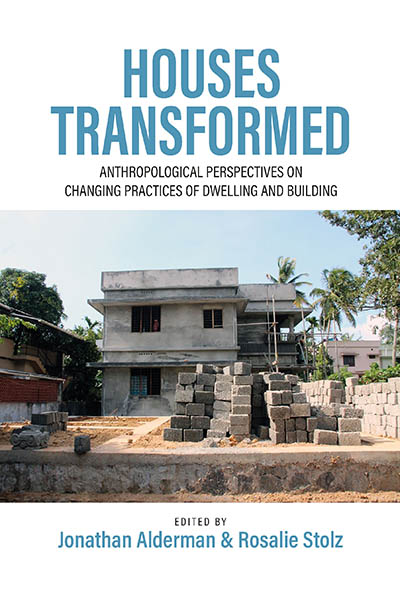
Houses Transformed
Anthropological Perspectives on Changing Practices of Dwelling and Building

Insidious Capital
Frontlines of Value at the End of a Global Cycle
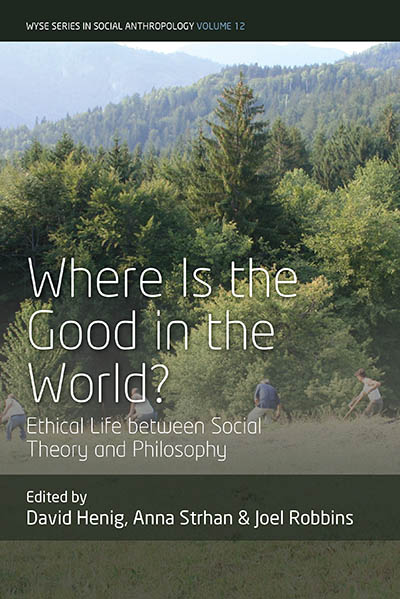
Where is the Good in the World?
Ethical Life between Social Theory and Philosophy