Join our Email List
-
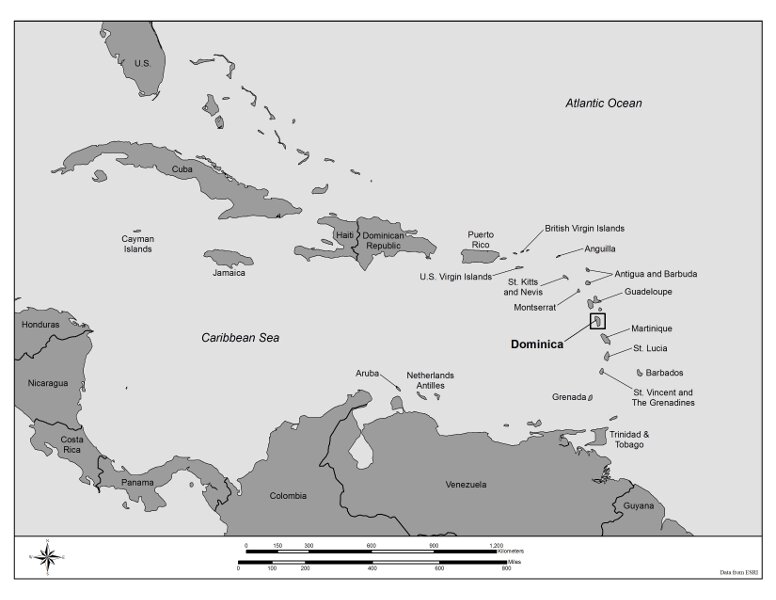
The Caribbean © Amy Paugh
-
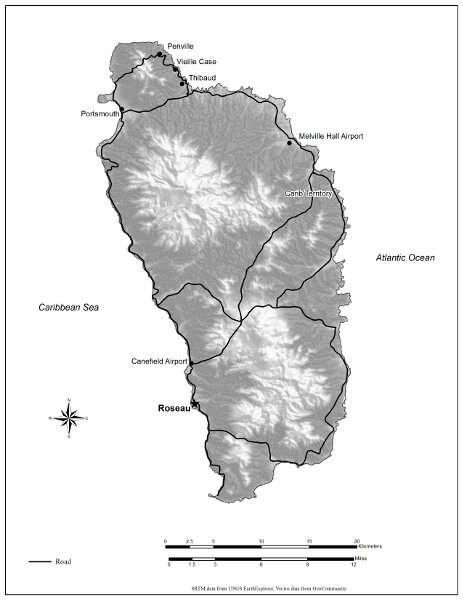
Dominica © Amy Paugh
-
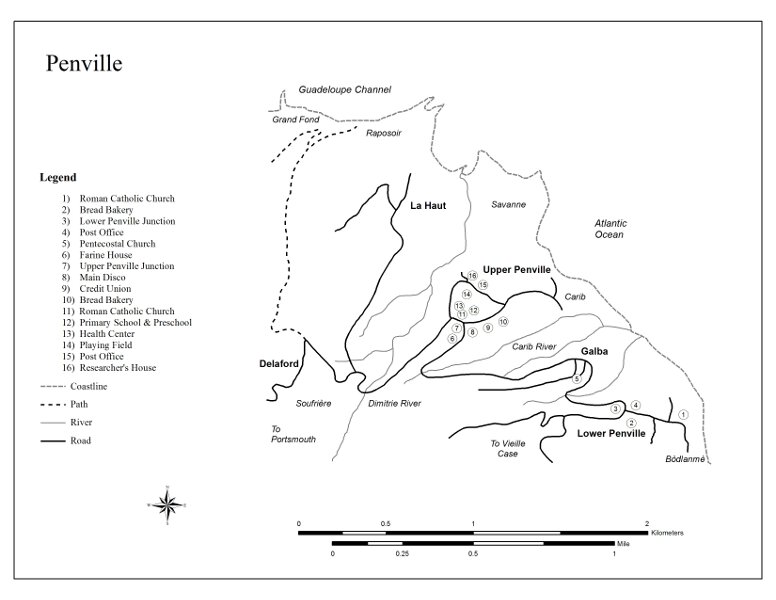
Penville Village © Amy Paugh
-

A coastal village surrounded by mountains © Amy Paugh
-
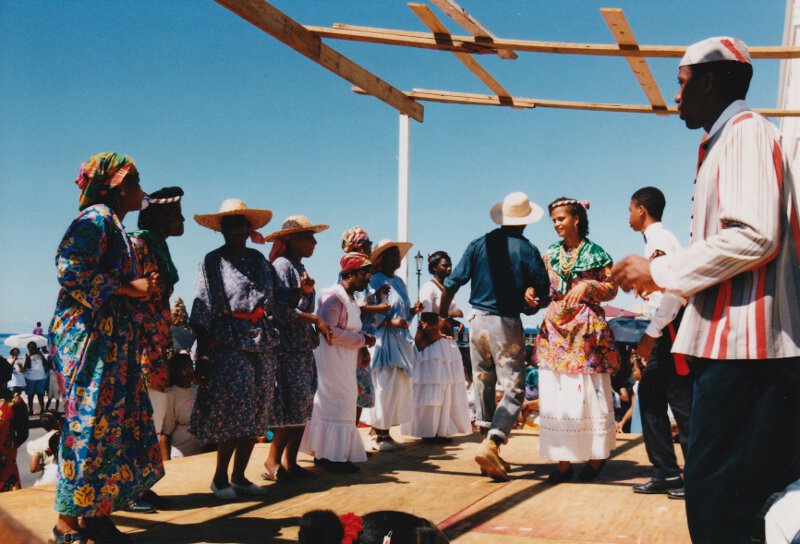
The Penville Cultural Group performs in Roseau © Amy Paugh
-
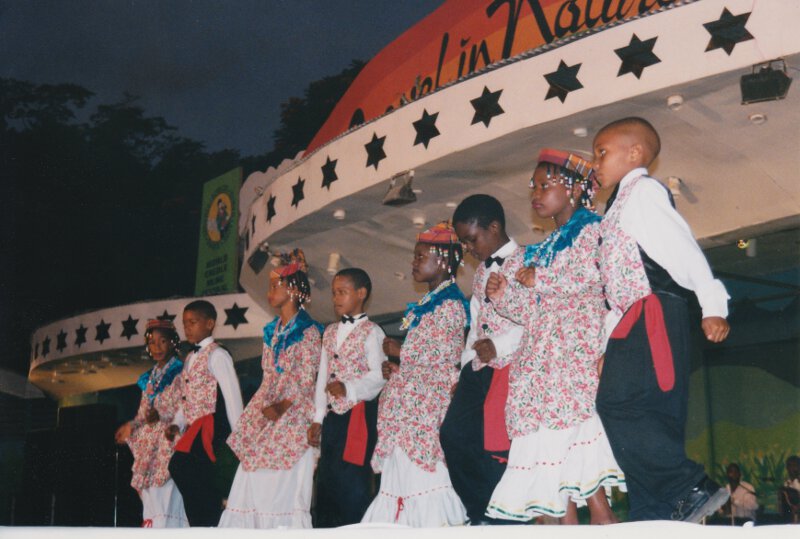
The Penville Children's Cultural Group dances at a Cultural Gala © Amy Paugh
-
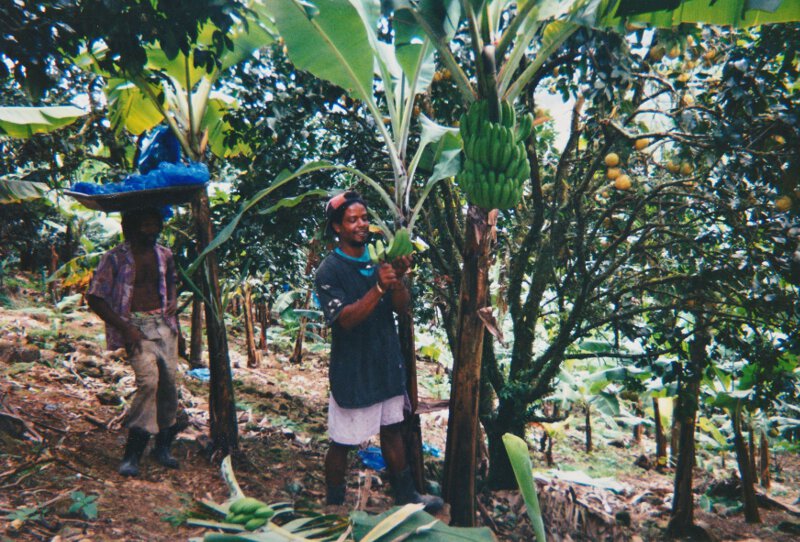
Farmers cut and carry bananas to pack for export © Amy Paugh
-
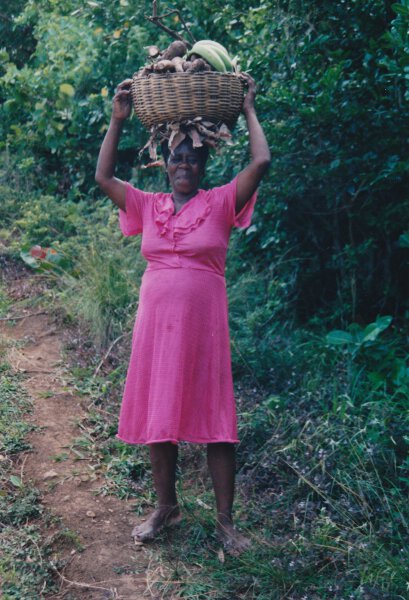
Villager carries a basket of produce harvested from her garden © Amy Paugh
-
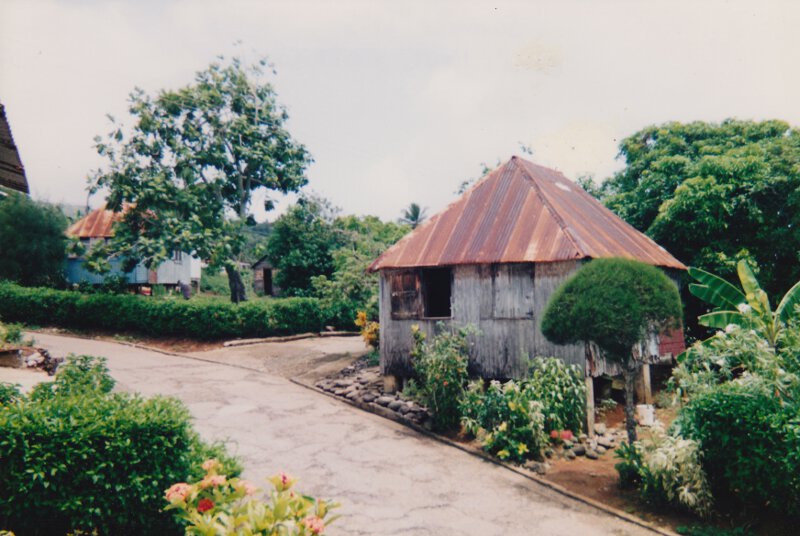
Wooden house with a neatly maintained yard © Amy Paugh
-
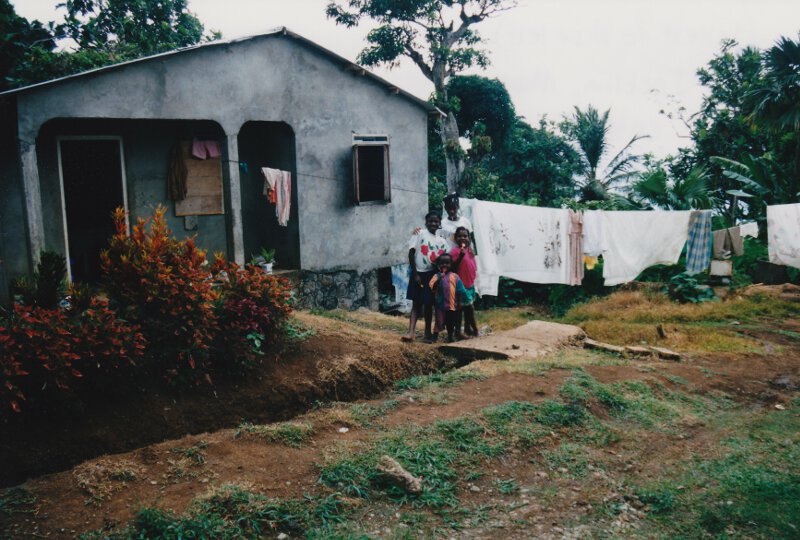
Residents build concrete block homes if they can afford them © Amy Paugh
-
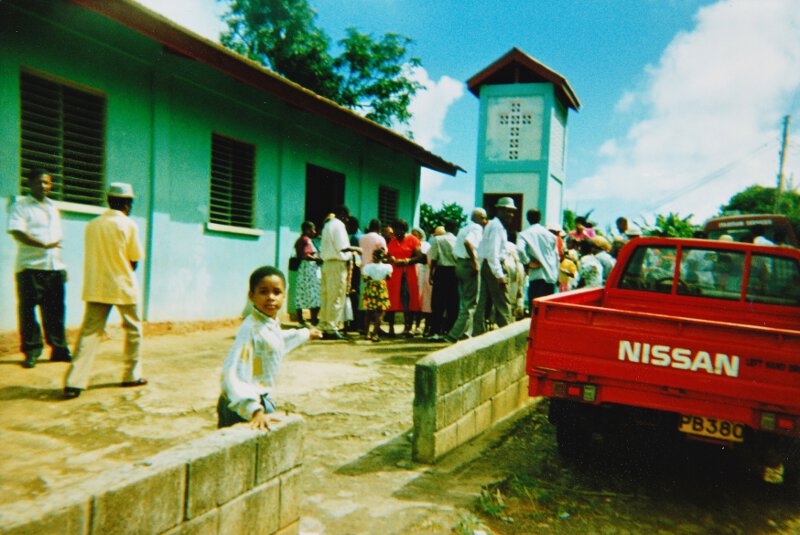
Parishioners congregate after Sunday services at the Catholic Church © Amy Paugh
-
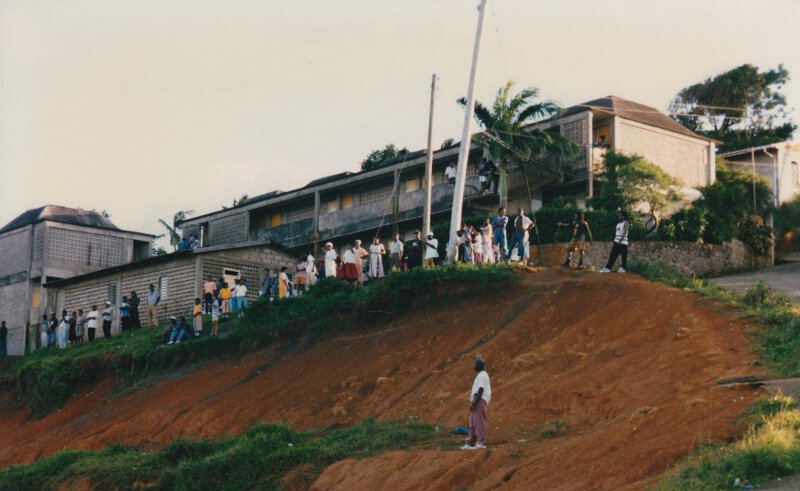
Villagers watch a cricket match on the playing field below the Penville Government Primary School © Amy Paugh
-
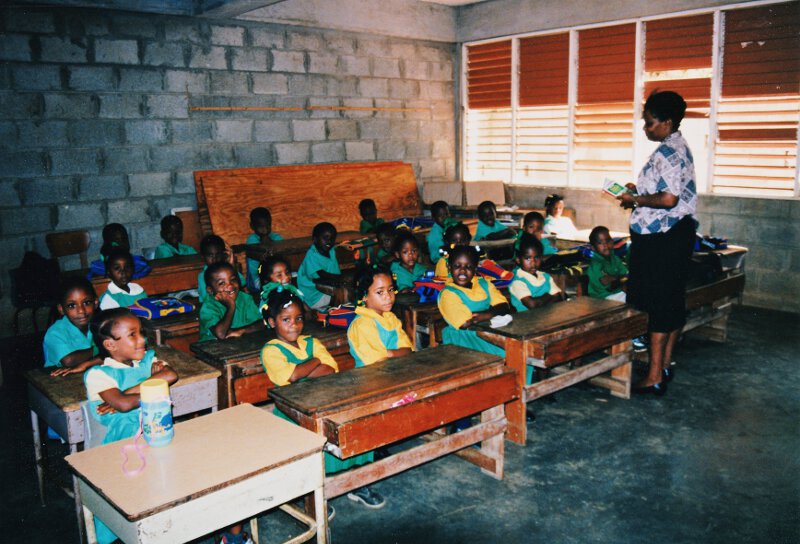
The teacher removes Patwa from "picture study" in the first grade class © Amy Paugh
-
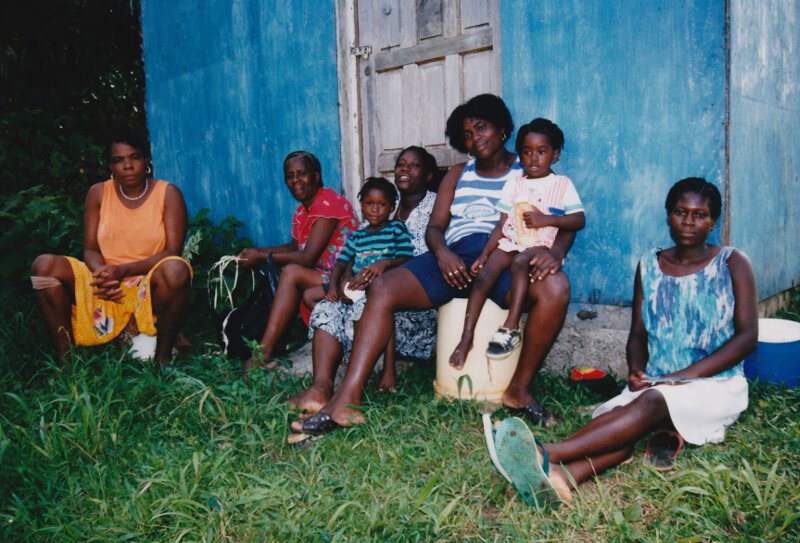
Female caregivers, like Tamika's (left) and Kenrick's (right) mothers, monitor children's speech and actions © Amy Paugh
-
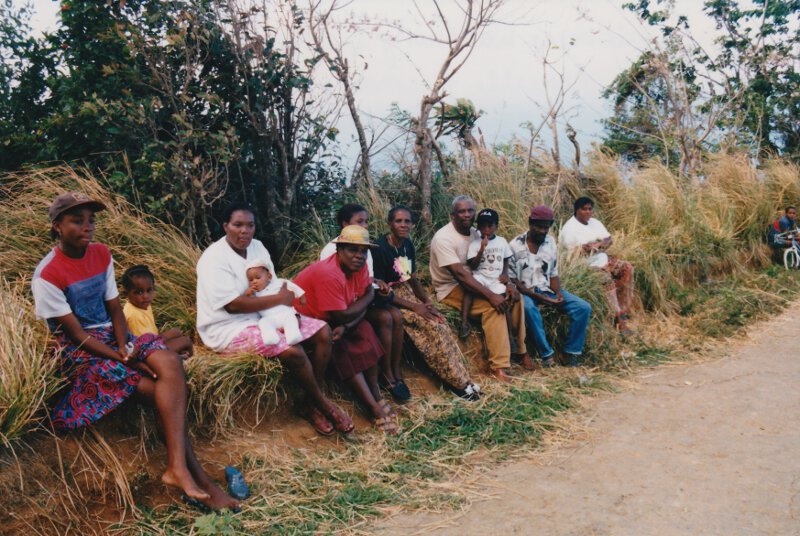
The road is an important site of community interaction © Amy Paugh
-
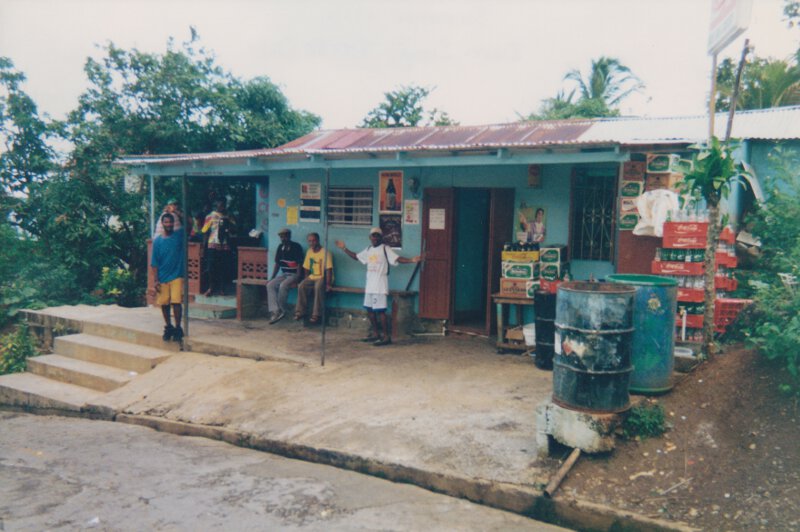
People socialize outside a village shop © Amy Paugh
-
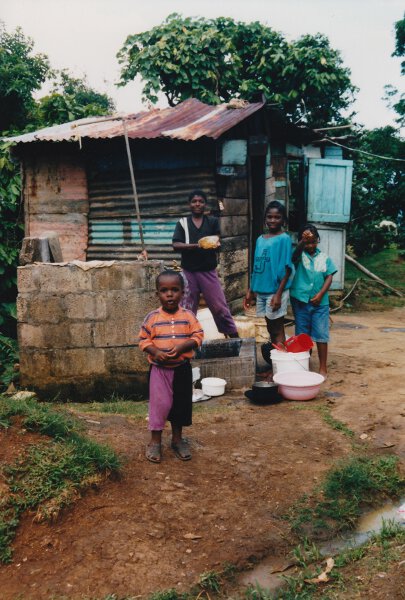
Jonah plays with his sister and fostered cousin while his eldest brother does chores © Amy Paugh
-
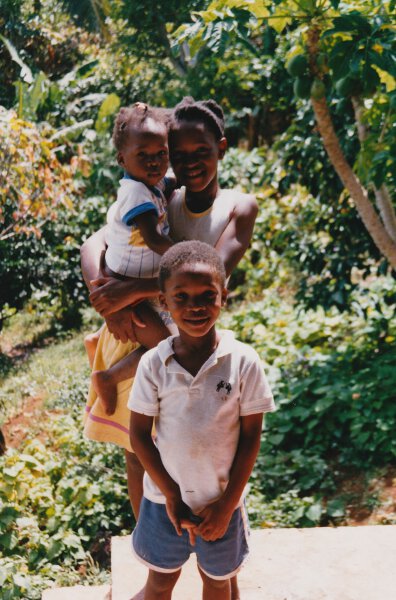
Natalie cares for her younger siblings Alisia (in her arms) and Tedison © Amy Paugh
-
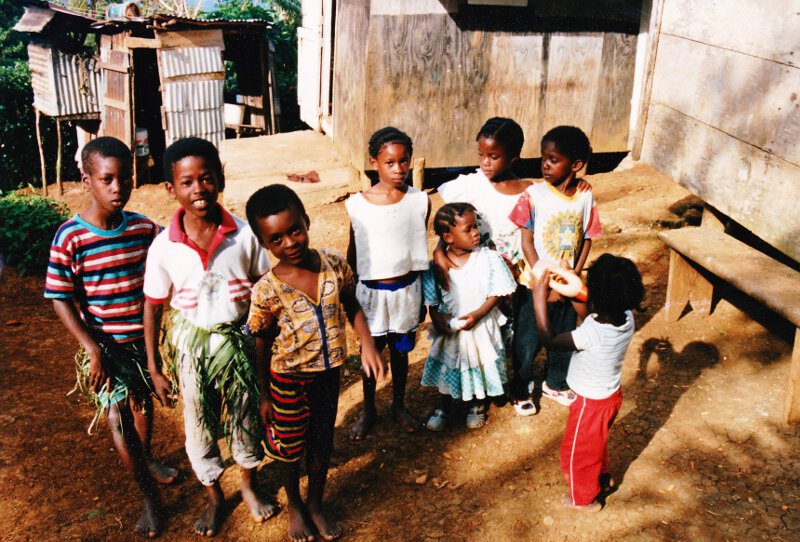
Kenrick and Tamika's large peer group of siblings and cousins © Amy Paugh
-
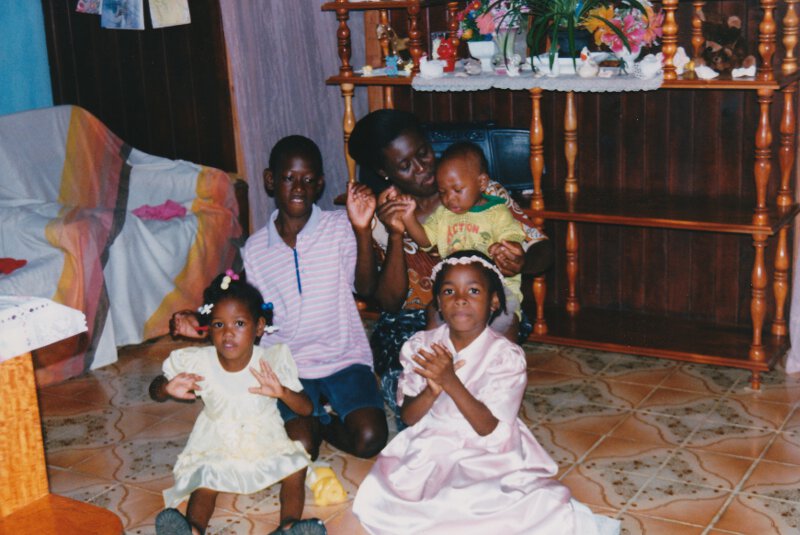
Marissa (front left) and her siblings sing and clap to songs from the Pentecostal Church, while their mother helps baby Oscar dance behind them © Amy Paugh
-
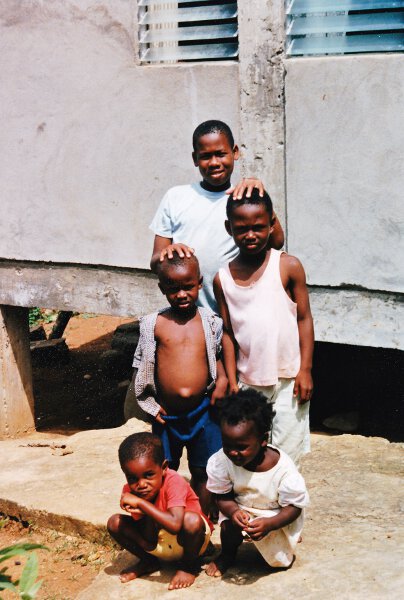
Marcel stands over the members of his peer group, with hands on Alex's (left) and Junior's (right) heads and Reiston (left) and Sherona (right) crouching below © Amy Paugh
See Related
Anthropology JournalsEmail Newsletters
Sign up for our email newsletters to get customized updates on new Berghahn publications.
Playing with Languages
Children and Change in a Caribbean Village
Amy L. Paugh
264 pages, 20 illus. & tables, 3 maps, bibliog., index
ISBN 978-0-85745-760-8 $135.00/£104.00 / Hb / Published (September 2012)
ISBN 978-1-78238-516-5 $34.95/£27.95 / Pb / Published (May 2014)
eISBN 978-1-83695-639-6 eBook
Reviews
“One may hope that other anthropologists, especially those interested in the language use of migrant children, will feel inspired by this application of linguistic anthropology that (unfortunately) appears to be so much better established in the USA than in Europe. In this respect the book can also serve as a very useful introduction to many recent developments in this field because it explains and illustrates quite nicely such theoretical concepts as linguistic ideology, indexicality and register variation, to mention only a few important ones.” · Social Anthropology/Anthropologie sociale
"[The author] provides her readers with a nuanced longitudinal ethnographic and discourse analytic investigation that features the roles that children, as caretakers and agents of language socialization, play in language shift and maintenance." · Journal of Linguistic Anthropology
"This is an extremely well written and accessible text. It integrates data and theory in a way that few writers have achieved... [and] breaks new ground in its innovative, comprehensive and theoretically engaging approach to peer
language socialization and language ideology." · Marjorie Harness Goodwin, University of California, Los Angeles
"[This book] presents important issues in clear, precise language and the use of the transcripts is wonderful. The detail and insight captured by this ethnographic account of children¹s interactions and language change is reminiscent of the best in the field." · Barbra Meek, University of Michigan
"The study is highly original and exceptionally valuable." · Elinor Ochs, University of California, Los Angeles
Description
Over several generations villagers of Dominica have been shifting from Patwa, an Afro-French creole, to English, the official language. Despite government efforts at Patwa revitalization and cultural heritage tourism, rural caregivers and teachers prohibit children from speaking Patwa in their presence. Drawing on detailed ethnographic fieldwork and analysis of video-recorded social interaction in naturalistic home, school, village and urban settings, the study explores this paradox and examines the role of children and their social worlds. It offers much-needed insights into the study of language socialization, language shift and Caribbean children’s agency and social lives, contributing to the burgeoning interdisciplinary study of children’s cultures. Further, it demonstrates the critical role played by children in the transmission and transformation of linguistic practices, which ultimately may determine the fate of a language.
Amy L. Paugh is Associate Professor of Anthropology at James Madison University. Her research investigates language socialization, children’s cultures and language ideologies in the Caribbean and United States.